
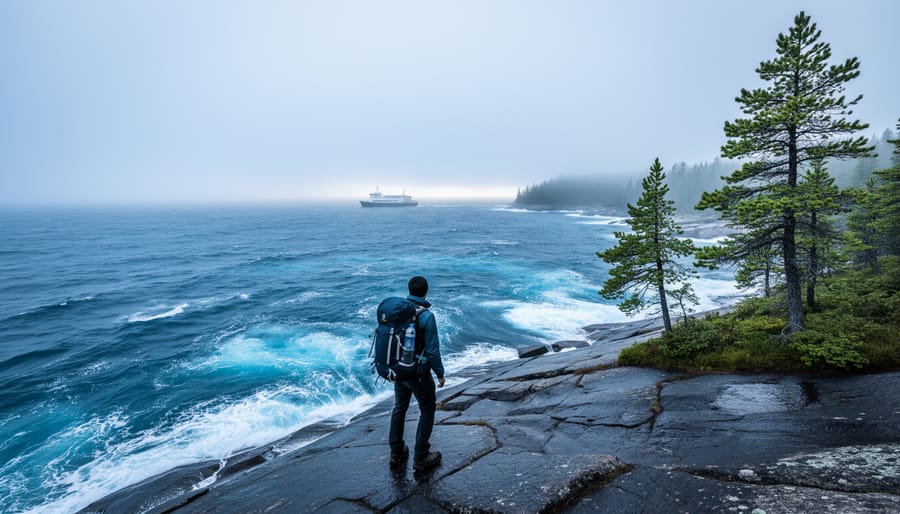
Isle Royale National Park sits in the icy waters of Lake Superior, 56 miles from Michigan’s Upper Peninsula, and getting there requires genuine commitment. This roadless wilderness island demands a ferry ride of 3 to 6 hours or a seaplane flight, operates only from mid-April through October, and charges a $7 daily entrance fee per person (with a $60 seasonal pass available for frequent visitors). If you’re used to Colorado’s accessible mountain parks, Isle Royale represents something entirely different: one of America’s least-visited national parks, where wolf and moose populations roam free and backpackers can disappear into 165 miles of trails without seeing another soul for days.
The numbers tell the story. While Rocky Mountain National Park welcomes millions of visitors annually, Isle Royale sees fewer than 30,000 in a typical season. That solitude comes with logistics. Transportation schedules fill up months in advance, and camping permits require planning well before your trip. Group permits for 7 or more people cost $25 and reservations for the 2026 season opened January 2, 2026. Small parties of six or fewer don’t need advance reservations but still must register for overnight permits.
For adventurers drawn to multi-day backcountry parks where the journey matters as much as the destination, Isle Royale delivers something rare: true isolation in a landscape that refuses to be tamed. The rewards are substantial, from pristine lakeside campsites to encounters with wildlife found nowhere else in the Lower 48, but the challenges are real. Understanding what it takes to reach this remote island and what awaits when you arrive separates dreamers from those who actually make the crossing.
What Makes Isle Royale Different from Your Favorite Colorado Parks
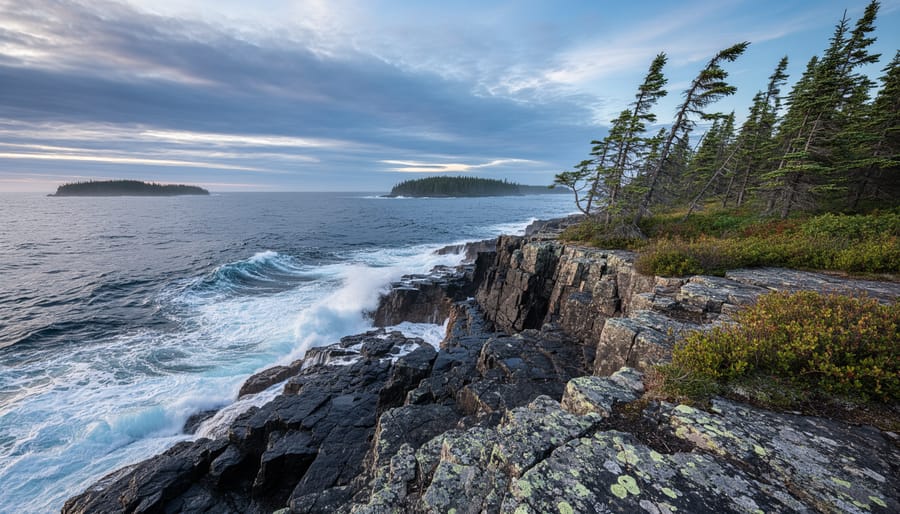
If you’re used to driving up to the trailhead at Rocky Mountain or walking from your campsite to the visitor center in Mesa Verde, Isle Royale will feel like stepping into a different century. This 45-mile-long island in Lake Superior operates on its own terms, starting with the fact that you’ll need a ferry or seaplane just to arrive. No vehicles allowed means exactly that, once you’re on the island, you’re traveling by foot or boat, period. Your hiking boots become your only transportation, and that backpack better hold everything you need.
The isolation goes beyond logistics. Colorado’s fourteeners might test your lungs, but Isle Royale tests your self-reliance in ways our mountain parks simply don’t. Cell service? Forget it. Supply runs? Not happening unless you paddle back across Lake Superior. When you commit to a backcountry route here, you’re genuinely on your own in a way that feels increasingly rare. The island’s wolf-moose ecosystem, the longest-studied predator-prey relationship in the world, adds another layer of wildness. Wolf and moose roles shape every trail and campsite you encounter, from fresh moose tracks in the mud to the knowledge that wolves are watching from ridgelines you can’t see.
Then there’s what lies beneath. Lake Superior’s cold, clear waters preserve dozens of shipwrecks better than any museum could. Divers explore intact cargo holds and wheelhouses from the 1800s, a completely different dimension to “park experience” than anything Colorado offers.
The trade-off for this authenticity? You won’t summit anything above 1,400 feet, there’s no escaping Lake Superior’s humidity and weather mood swings, and getting there takes serious planning. But that’s precisely the point. Isle Royale draws fewer visitors in an entire year than Rocky Mountain sees on a busy summer weekend, and the park keeps it that way by making convenience impossible.
Getting There: Transportation Options from the Mainland
Getting to Isle Royale requires real commitment, there are no bridges, no easy drives, and definitely no casual day trips. The journey itself becomes part of the adventure, and understanding your options helps you choose the right approach for your timeline and comfort level.
Ferry Services: The Classic Approach
Three ferry routes serve the park from different mainland ports. The Ranger III departs from Houghton, Michigan, offering the longest but most affordable passage at six hours. The Isle Royale Queen IV runs from Copper Harbor, Michigan (three hours), while the Voyageur II operates from Grand Portage, Minnesota (various routes, 1.5 to 7 hours depending on destination). Each ferry provides a different experience, some focus on direct transport, others make scenic stops at multiple harbors along the island’s shore.
Ferry schedules for 2026 are released seasonally by operators, typically appearing by late winter or early spring. Check official park and concessionaire websites directly for current availability, as routes operate only during the park’s limited season. Book early if you have fixed dates, especially for popular mid-summer departures.
| Transportation Method | Departure Points | Journey Duration | Experience Type |
|---|---|---|---|
| Ranger III Ferry | Houghton, MI | 6 hours | Economical, longer crossing |
| Isle Royale Queen IV | Copper Harbor, MI | 3 hours | Mid-length, scenic route |
| Voyageur II | Grand Portage, MN | 1.5-7 hours | Flexible harbor stops |
| Seaplane | Houghton, MI | 35-45 minutes | Fast, aerial views, premium cost |
Seaplanes: Speed and Spectacle
Seaplane service from Houghton gets you to Rock Harbor in under an hour, offering stunning aerial perspectives of Lake Superior and the island. It’s the priciest option but saves significant time. Weight restrictions apply for both passengers and gear, so pack strategically. The flight itself delivers a memorable experience, though lake conditions can occasionally delay departures.
Private Boats: Maximum Flexibility
If you’ve got relevant boating planning tips under your belt, bringing your own vessel offers unmatched freedom to explore remote harbors and set your own schedule. Lake Superior demands serious respect, cold water, sudden weather shifts, and considerable distance require proper equipment and experience. Most boaters launch from Michigan or Minnesota ports, and you’ll still need to plan for rough travel days when conditions turn.
Whichever method you choose, build extra time into your Colorado-to-Isle Royale logistics. Weather delays happen, connections can be tight, and the journey requires patience that rewards you with genuine isolation once you arrive.
Entry Fees and Season Pass Breakdown
Isle Royale keeps its fee structure refreshingly simple, especially compared to the tiered pricing you’ll find at Rocky Mountain or Mesa Verde. The park charges $7 per person per day you’re there, literally per calendar day, so if you arrive Monday and leave Thursday, that’s four days at $7 each, totaling $28. Daily fee and free kids under 16 get in free, which makes this a solid value for families.
Here’s where the math gets interesting for serious adventurers. The Season Pass costs $60 and covers you plus up to three adults for unlimited visits all season long. If you’re planning a week-long backpacking trip, that’s $49 in daily fees for one person, meaning the pass pays for itself with just nine days on the island. For a couple spending a week? You’d pay $98 in daily fees versus $60 for a pass that also lets you bring two friends on future trips.
Colorado travelers planning multiple national park visits should note that America the Beautiful passes don’t cover Isle Royale’s per-person daily fees, only the season pass works that way here. If you’re bringing a group of four adults for five days, one person buying the season pass ($60) saves the group $80 compared to everyone paying daily ($140 total). The pass holder just needs to be physically present for the group benefit to apply.
Planning Your Overnight Adventure: Camping Permits Explained
Isle Royale’s camping permit system reflects the park’s commitment to preserving its wilderness character while accommodating different visitor groups. The rules split cleanly by party size, so understanding which category you fall into shapes your entire planning approach.
For small parties of six people or fewer, overnight camping permits operate on a first-come, first-served basis. You don’t reserve these in advance. Instead, you obtain your permit when you arrive at the park, either at the ranger station in Windigo or Rock Harbor depending on your entry point. This flexibility appeals to spontaneous Colorado adventurers, but during peak summer weeks, popular campsites can fill early. The daily entrance fee of $7 per person per calendar day covers park access but is separate from the camping permit itself.
Groups of seven or more follow a different path entirely. Group reservations open Jan 2 each year for the upcoming season, requiring advance planning well before your departure from Colorado. These reservations carry a $25 group permit fee and lock in your specific campsites and dates. Given that group sites are limited and the reservation window opened January 2, 2026 for this season, securing your dates early matters considerably.
Here’s how to approach the permit process based on your party size:
- Determine if you’re a small party (6 or fewer) or group (7+) including every person camping together
- Small parties should plan flexible itineraries since you’ll claim campsites upon arrival, building in backup options for popular sites
- Groups must submit reservations through the official system when it opens, specifying exact dates and preferred campsites
- Both categories should factor the daily entrance fee into total trip costs, though children 15 and under enter free
- Consider the Isle Royale Season Pass at $60 if your group includes repeat visitors or you’re planning an extended stay
What makes Isle Royale’s backcountry camping unique compared to Colorado’s permit systems is the true remoteness once you’re on the island. There’s no driving between trailheads, no cell service to coordinate changes, and no quick exit if conditions deteriorate. Your permit locks you into a boat schedule days or weeks away, so conservative planning beats optimistic assumptions about mileage and conditions.
Best Trails and Backcountry Routes for Colorado-Trained Hikers
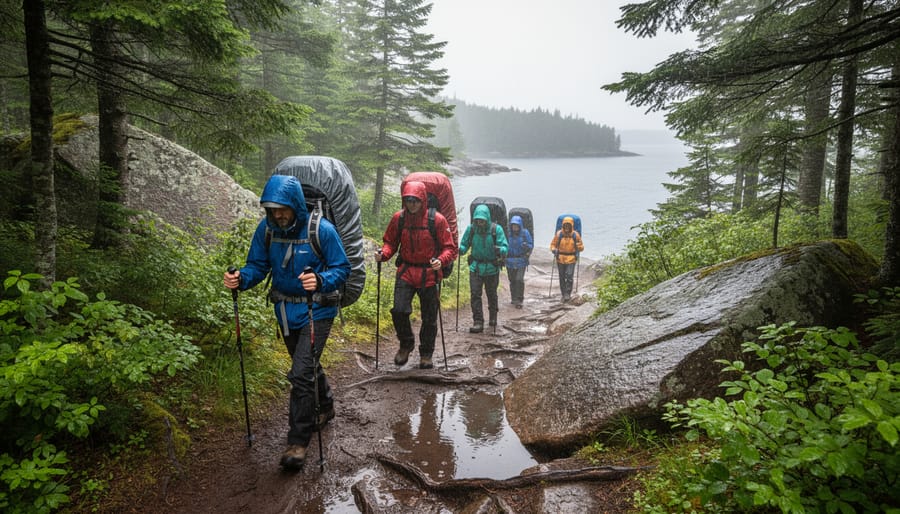
Your Colorado legs will serve you well on Isle Royale, but don’t let your 14er resume create false confidence. The Greenstone Ridge Trail, the park’s 40-mile backbone running the length of the island, barely climbs above 1,400 feet, yet it’ll humble plenty of altitude-trained hikers. The challenge here isn’t elevation gain. It’s the relentless root systems, exposed ridgeline traverses in unpredictable Lake Superior weather, and cumulative fatigue from carrying everything on your back with no resupply options.
The Minong Ridge Trail offers Isle Royale’s most rugged experience. This northern route demands serious navigation skills through overgrown sections where the “trail” disappears into boot-sucking bog. Colorado hikers accustomed to well-maintained wilderness paths find this one particularly humbling. Plan for half your Colorado pace. The roots and rocks require constant attention, and ankle-rolling hazards appear every few steps.
For coastal scenery that rivals anything in the Rockies, the Stoll Trail and Feldtmann Loop deliver stunning Lake Superior shorelines with fewer crowds. These routes showcase the island’s diversity, dense boreal forest transitions to rocky beaches and open ridges. Water crossings become legitimate obstacles here, especially at Feldtmann Creek. Unlike Colorado’s snowmelt streams you can usually rock-hop, expect mid-thigh wading during high water periods.
Isle Royale’s humidity hits differently than Colorado’s dry air. Your Colorado trail conditioning built cardiovascular strength, but sweat doesn’t evaporate here. You’ll drip constantly in summer, making hydration and electrolyte management critical. Pack more water capacity than you think necessary, Lake Superior stays cold enough to make filtering frequent, and natural water sources vary by route.
Smart route prep before you go means studying ferry landing options carefully. Most backpackers start at Rock Harbor or Windigo, creating multi-day loops back to their entry point. Unlike Colorado trailheads with vehicle access, your route must return you to a ferry departure location on your scheduled day. Miss that boat, and you’re camping several unplanned nights.
Trail junctions lack the consistent signage Colorado has spoiled you with. Bring detailed maps and a compass. Cell service doesn’t exist.
What Colorado Adventurers Need to Pack Differently
Your Colorado gear list won’t translate directly to Isle Royale. The island’s Lake Superior environment demands different preparation than what works at 10,000 feet in the Rockies.
Start with waterproofing everything, not just rain protection, but true waterproofing. Lake Superior’s humidity and frequent drizzle mean your gear stays damp in ways Colorado’s dry climate never taught you. Pack clothes, electronics, and sleeping bags in multiple layers of dry bags. Experienced visitors recommend lining your backpack with a heavy-duty trash compactor bag before adding gear, then sealing individual items in separate dry bags. That redundancy matters when you’re boat-bound.
Your water filtration system needs adjustment too. Lake Superior water runs cold and clean, but you’ll filter from the lake itself rather than mountain streams. Bring a filter rated for larger water volumes since you’ll be filling frequently from shoreline sources. Skip the high-elevation UV purifiers that drain batteries, a reliable pump or gravity filter serves you better here.
Wildlife awareness shifts from bears to moose and wolves. You won’t need bear canisters (the park doesn’t require them), but give moose absurdly wide berth, they’re more aggressive than any black bear you’ve encountered in Colorado. Wolves are present but rarely seen. Hang food to protect it from smaller animals and rain, not grizzlies.
Layering for Lake Superior means preparing for 40-degree temperature swings and persistent wind. Bring a true rain jacket (not a Colorado “emergency shell”), moisture-wicking base layers that dry faster than cotton, and warmer sleeping gear than the calendar month suggests. June on the island feels like April in the mountains.
When to Visit: Season Timing and Weather Considerations
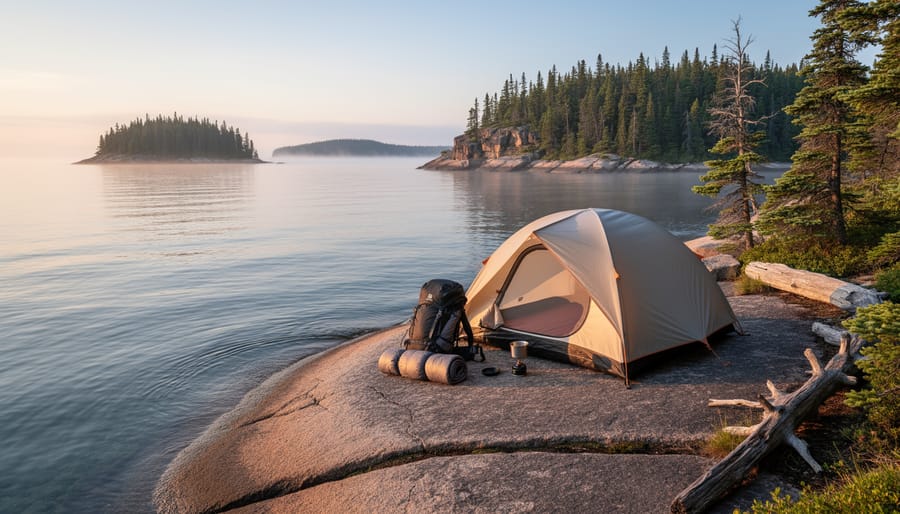
Isle Royale operates on nature’s terms, not a year-round schedule. The park typically opens in mid-April and closes by the end of October, though Lake Superior’s ice and storms can shift these dates. Transportation services generally run from late May through September, with reduced frequency at season shoulders.
Early season, May through mid-June, offers serious solitude and fewer bugs, but expect snow patches on ridgelines, frigid water temperatures, and limited ferry service. You’ll have trails nearly to yourself, though some backcountry campsites may still be inaccessible. Mid-summer, from July through August, brings warmer weather, full transportation schedules, and peak visitation (which is still modest compared to Colorado’s crowds). The trade-off? Higher humidity, more bugs, and less elbow room at popular campsites.
September delivers Isle Royale’s sweet spot for many visitors: cooler temperatures, spectacular fall colors, minimal insects, and renewed solitude as families head home. The downside is fewer ferry departures and shrinking weather windows as autumn storms increase.
Lake Superior dictates everything here. The world’s largest freshwater lake creates its own weather patterns, fog can roll in within minutes, temperatures can drop 20 degrees when winds shift, and summer storms arrive with little warning. What Colorado hikers call “afternoon thunderstorms” become multi-day weather systems over the lake.
Plan flexibility into your trip. Weather may delay your departure or return, so budget extra days and check forecasts obsessively. If you’re new to serious backcountry travel, mid-July through August offers the most forgiving conditions despite the crowds.
For Colorado travelers accustomed to world-class wilderness in their own backyard, Isle Royale offers something genuinely rare: the chance to disconnect completely. This isn’t a park you stumble into on a weekend whim. The remoteness that keeps it off most bucket lists is precisely what makes it extraordinary for those willing to plan ahead and embrace the journey itself as part of the experience.
Start your planning now if you’re considering a 2026 visit, especially if you’re traveling with a group that needs advance reservations. The logistics, from securing ferry passage to mapping backcountry routes, demand the same thoughtful preparation you’d give a Colorado fourteener expedition, just with different challenges.
We’d love to hear from Colorado travelers who’ve made the trek to Isle Royale. What surprised you most about the transition from Rocky Mountain peaks to Lake Superior wilderness? What gear choices did you get right, and what would you pack differently next time? Share your experiences and tips in the comments to help fellow adventurers prepare for this bucket-list journey. Your insights could be the difference between someone’s good trip and an unforgettable one.