
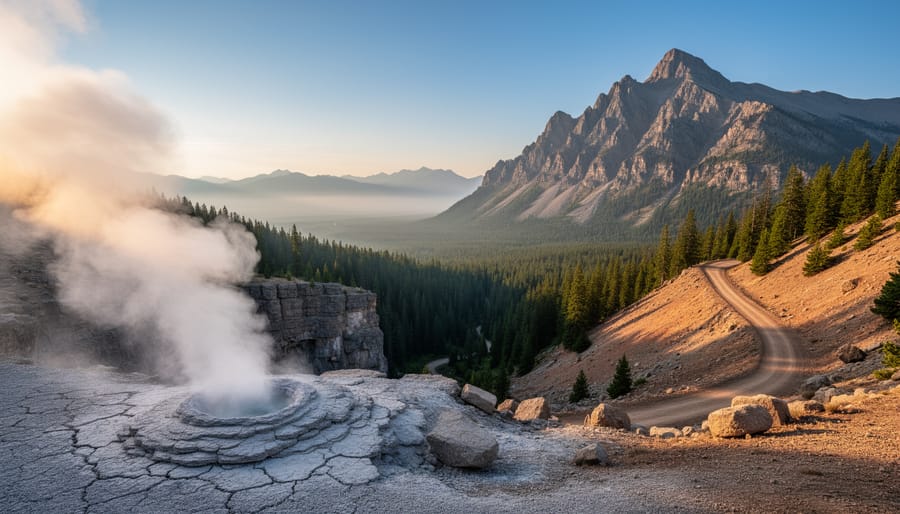
The United States is home to 63 officially designated national parks spanning more than 85 million acres across all 50 states, the District of Columbia, and US territories. These crown jewels of the National Park Service represent America’s most spectacular landscapes, from the geothermal wonders of Yellowstone to the towering granite walls of Yosemite, and yes, the alpine splendor of Rocky Mountain National Park right here in Colorado.
Whether you’re planning your first park visit or working methodically through your bucket list, understanding the full scope of the system helps you prioritize destinations, plan multi-park road trips, and budget for entrance fees. Most national parks charge an entrance fee, typically requiring either a park-specific pass, the America the Beautiful annual pass (now $80 for US residents as of January 2026), or the lifetime version for frequent visitors.
The beauty of the national park system is its incredible diversity. You can stand on volcanic rims in Hawaii, kayak through Florida’s mangrove tunnels, watch grizzlies fish for salmon in Alaska, or summit fourteeners in our own backyard. Each park tells a different story about geology, ecology, and the American landscape.
This guide breaks down all 63 parks with detailed insights on the must-visit destinations, practical tips for the mid-tier gems, and regional road trip ideas that let you knock out multiple parks in one adventure. For Colorado adventurers already familiar with camping beneath the Rockies, this is your roadmap to exploring the rest of the system.
How We Ranked These 63 National Parks
Ranking 63 national parks involves unavoidable subjectivity, but we’ve anchored our list in criteria that matter to adventure-focused travelers. Each park earned its position through a combination of measurable factors and real-world feedback from the Nomadic Adventures community, including guest authors who’ve logged thousands of trail miles across the system. Our approach prioritizes what you’ll actually experience on the ground, not just which parks appear most often on Instagram.
We evaluated every park against six core criteria:
- Adventure diversity: variety of activities including hiking, climbing, canyoneering, paddling, and backcountry access
- Accessibility: proximity to Colorado and major travel hubs, road conditions, and seasonal visitation windows
- Landscape uniqueness: distinctive geology, ecosystems, or features you can’t find elsewhere
- Wildlife viewing: opportunities to observe iconic species in their natural habitats
- Seasonal accessibility: year-round appeal versus parks limited by weather or closures
- Community feedback: insights from Nomadic Adventures contributors and readers who’ve visited these parks
Parks closer to Colorado naturally rank higher for our audience, but we’ve balanced regional bias against objective adventure value. A spectacular but remote Alaska park might rank below a slightly less dramatic but more accessible Southwest destination. Your perfect park depends on your skills, timeline, and what stirs your particular sense of wonder. Use this list as a starting point, then adjust based on what calls to you.
National Park System Essentials: Passes, Fees, and Planning Tips
Before you pack your gear and hit the trail, understanding the National Park System’s structure and entry requirements will save you time and money. The system comprises 433 units over 85 million acres across all 50 states, DC, and US territories. Most sites are free to visit, but many of the marquee national parks require entrance passes.
You’ve got several pass options depending on your travel plans. Individual park entrance fees typically run $25, $35 per vehicle for a seven-day window. If a specific park has become your second home, park-specific annual passes (usually $45, $70) cover unlimited visits for 12 months. For anyone planning to explore multiple parks in 2026, the America the Beautiful pass costs $80 for US residents or $250 for nonresidents starting January 1, 2026. This annual pass grants entry and standard day-use fees at all federal recreation sites, paying for itself after just three park visits. Lifetime passes are also available for seniors, military members, and people with permanent disabilities at discounted rates.
Buy passes online through the NPS website, at park entrance stations, or at certain REI and outdoor retailers. If you’re road-tripping from Colorado, grab your pass before leaving town to avoid entrance-station lines during peak summer weekends. The pass covers the vehicle and all passengers for per-vehicle fee areas, or up to four adults at per-person sites, making it ideal for families and groups splitting costs.
The Complete Ranked List: 63 US National Parks
1. Rocky Mountain National Park, Colorado
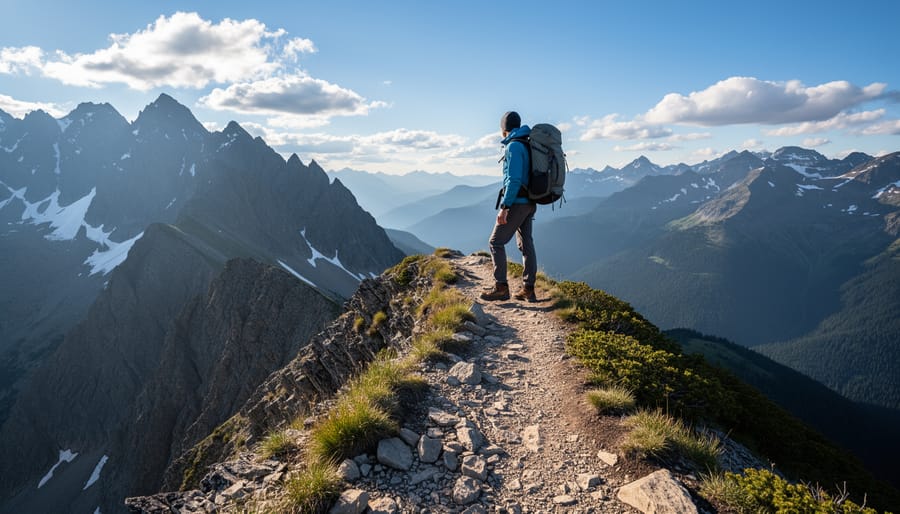
Rocky Mountain National Park earns the top spot for good reason, it’s the adventure playground in our backyard, delivering world-class alpine experiences just an hour’s drive from Denver. With over 350 miles of trails threading through tundra, forests, and glacier-carved valleys, you can hike at sunrise and still make it back for dinner. Trail Ridge Road climbs above 12,000 feet, offering views that stretch across the Continental Divide, while the park’s wildlife, elk bugling at dawn, bighorn sheep navigating cliffsides, turns every visit into a wildlife documentary.
One of our guest contributors, Sarah, shared how she backpacked to Chasm Lake in early October and woke to fresh snow dusting Longs Peak’s Diamond Face. That combination of accessibility and genuine wilderness defines Rocky Mountain: you can camp deep in the backcountry or bring the kids for an easy lakeside stroll. The park sees heavy traffic in summer, so locals know the magic happens at first light or on weekday afternoons when the crowds thin and the mountains feel like yours alone.
2. Yellowstone National Park, Wyoming/Montana/Idaho
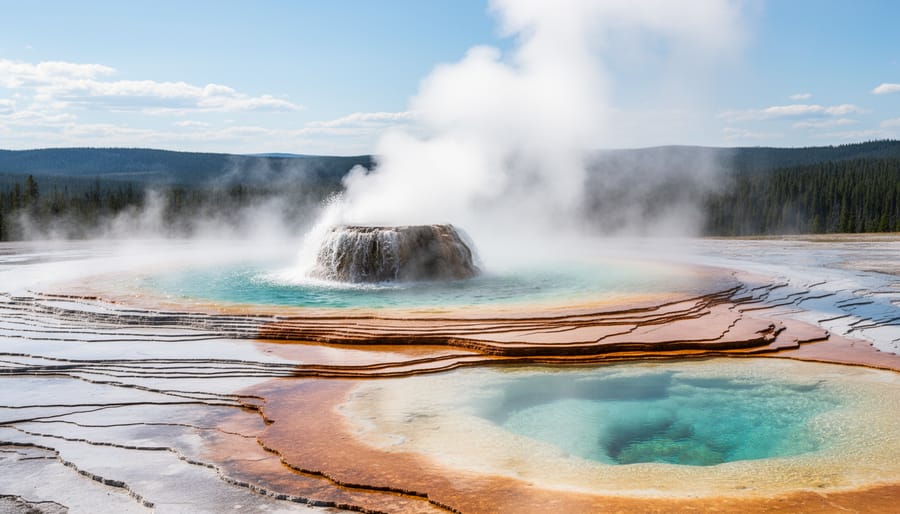
Yellowstone earns its spot as America’s second-best national park adventure through sheer scale and spectacle. Spanning 2.2 million acres across three states, it’s home to more than 10,000 geothermal features, including Old Faithful and the rainbow-hued Grand Prismatic Spring, that make this the planet’s largest concentration of active geysers. The wildlife watching here rivals anywhere in the Lower 48: grizzlies, wolves, bison herds that can stop traffic for an hour, and elk bugling in autumn meadows.
What sets Yellowstone apart for serious adventurers is the backcountry. Over 1,000 miles of trails lead into remote thermal basins and alpine plateaus where you’ll camp miles from the nearest road. Winter transforms the park into a hushed, steam-filled wonderland accessible by snowcoach or cross-country skis, with bison frosted white and geysers erupting against blue-white snow.
From Colorado, Yellowstone makes a doable long weekend, roughly seven hours north through Wyoming, and pairs perfectly with Grand Teton for a northern Rockies circuit. Start planning early; permits and campsites disappear fast for summer peak season.
3. Yosemite National Park, California
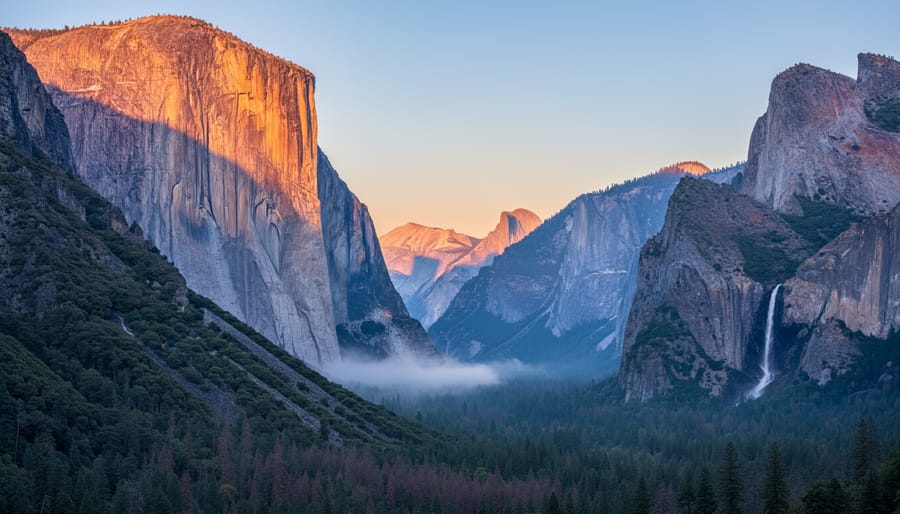
Yosemite’s sheer granite walls and thundering waterfalls have drawn adventurers since John Muir first sang its praises, and the park delivers on every bit of that legendary reputation. El Capitan and Half Dome anchor a climbing scene that defined modern big-wall alpinism, while the Mist Trail to Vernal Fall and the cables route up Half Dome test hikers with serious elevation gain and exposure. Spring runoff turns Yosemite Falls into a roaring spectacle visible from the valley floor, and the Mariposa Grove’s giant sequoias humble even the most seasoned backcountry traveler.
The park earns its bucket-list status because it condenses so many iconic experiences into one accessible valley: world-class granite climbing, cascading water features that rival any on the continent, and ancient forests that predate modern civilization. Whether you’re racking up for a multi-pitch route or simply walking the valley loop at sunrise, Yosemite rewards both ambition and contemplation in equal measure.
4. Grand Canyon National Park, Arizona
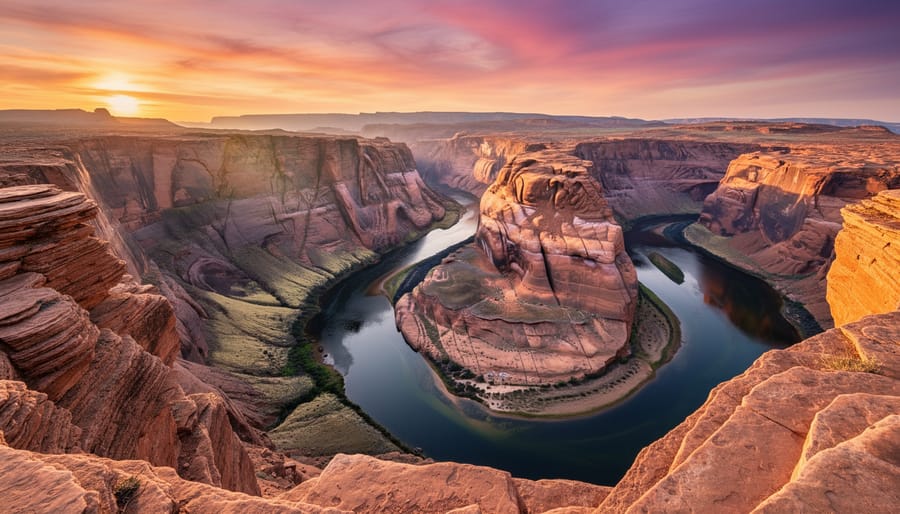
The Grand Canyon delivers what few places on Earth can: a 277-mile-long chasm that drops over a mile deep, exposing two billion years of geological history in bands of color that shift from rose to ochre to deep purple as the sun tracks across the sky. For Colorado adventurers, it sits five to six hours south of the Four Corners, making it an ideal long-weekend destination that feels worlds away from alpine meadows.
The park offers adventures for every level. South Rim day hikers can tackle Bright Angel or South Kaibab trails partway down for perspective-shifting views, while experienced backpackers commit to the 24-mile rim-to-rim trek, a bucket-list challenge that descends through five climate zones, camps at Phantom Ranch on the canyon floor, and climbs out the North Rim. Colorado River rafting trips range from single-day floats to multi-week expeditions through Class IV rapids, and winter visitors find solitude when summer crowds vanish.
One guest contributor described watching sunrise from Mather Point after a pre-dawn drive from Durango: “The canyon goes from black void to gold and red in minutes, and you realize photographs don’t capture the scale, you need to see it.” That sense of geological storytelling, where rock layers read like chapters in Earth’s autobiography, makes the Grand Canyon essential viewing for anyone serious about understanding the American West.
5. Zion National Park, Utah
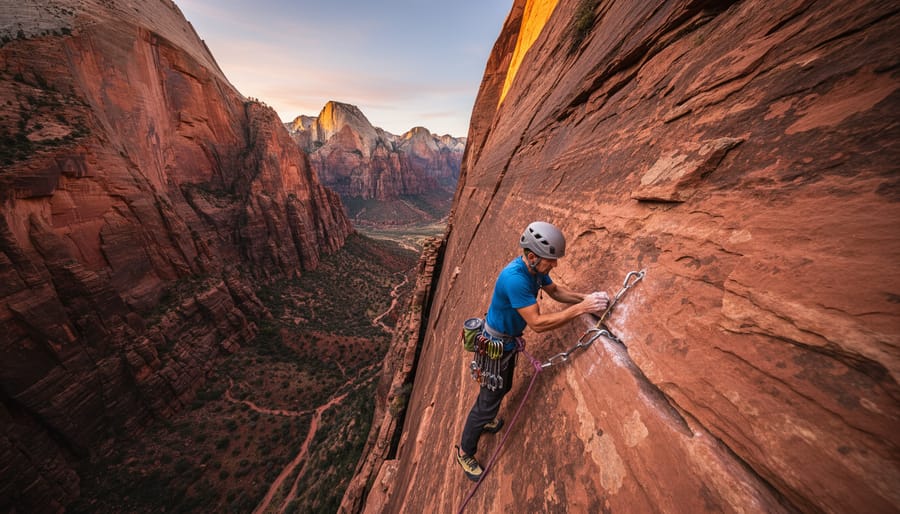
Zion’s towering red sandstone cliffs and slot canyons make it a paradise for adventurers chasing iconic desert experiences. Angels Landing, a white-knuckle ridge hike with chain-assisted scrambles and 1,500-foot drop-offs, ranks among America’s most thrilling day hikes, while the Narrows invites you to wade waist-deep up the Virgin River between 1,000-foot canyon walls. Canyoneering through technical slots like the Subway rewards those with rope skills and a wilderness permit. From Colorado, Zion sits roughly five hours southwest via I-70 and I-15, making it an easy weekend escape or anchor stop on a Utah road trip. Spring and fall offer the best weather; summer heat pushes triple digits, so plan water-heavy hikes for dawn. The park’s shuttle system (required April through October) actually enhances the experience, eliminating parking stress and letting you focus on the adventure ahead.
6. Glacier National Park, Montana
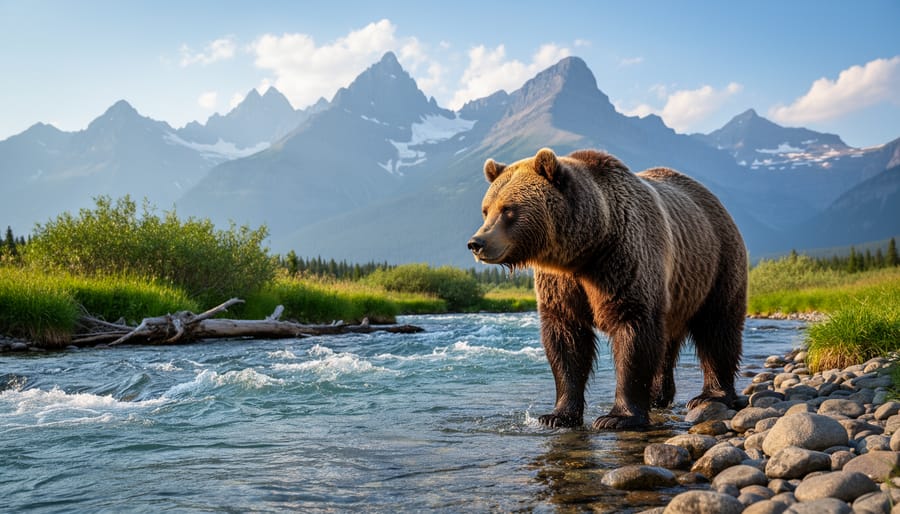
Glacier National Park delivers raw wilderness on a scale that humbles even experienced backcountry travelers. The park’s crown jewel, Going-to-the-Sun Road, carves through fifty miles of glacier-carved valleys and alpine passes, but the real magic happens when you leave the pavement behind. Over 700 miles of trails thread through grizzly country, where you’ll glass pristine cirques and stumble across mountain goat tracks in late-season snowfields. The Highline Trail and backcountry camping along the Continental Divide offer the kind of solitude that’s increasingly rare in America’s national parks. For Colorado adventurers accustomed to fourteeners, Glacier’s remote northern Rockies character feels both familiar and wildly different, fewer crowds, more grizzlies, and a genuine sense that you’ve stepped into untamed country. Plan for unpredictable weather and bear awareness, and you’ll understand why this park ranks among the continent’s premier wilderness destinations.
7. Grand Teton National Park, Wyoming
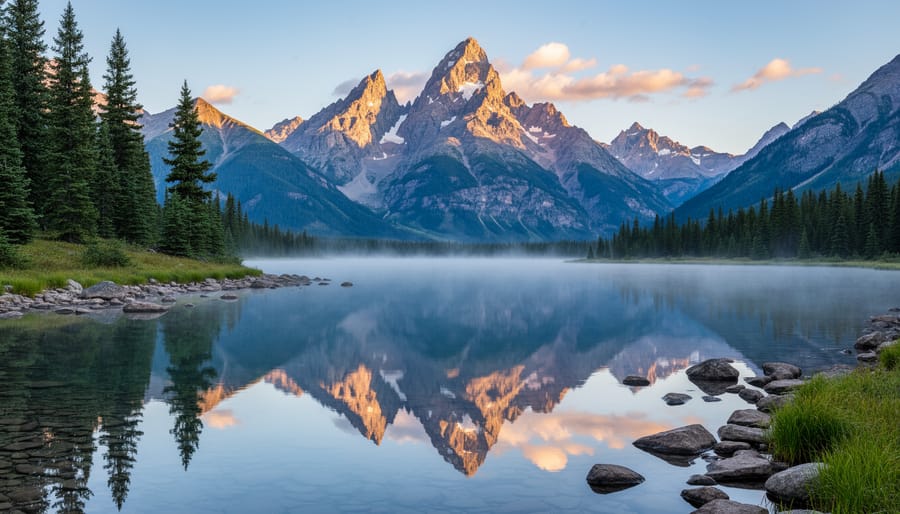
Grand Teton stands apart with its dramatic verticality, no gentle foothills soften the impact of these jagged granite spires thrusting straight from the valley floor. The park delivers classic alpine adventure within a compact footprint: world-class mountaineering on the Cathedral Group peaks, backcountry loops around crystalline lakes like Leigh and Solitude, and wildlife encounters that rival Yellowstone’s (moose wade through willow flats while grizzlies patrol berry patches above treeline). Climbers flock here for technical routes on the Grand itself, while hikers find everything from family-friendly lakeside strolls to multi-day Teton Crest traverses. Most visitors combine Grand Teton with Yellowstone during a single trip, they’re separated by just the John D. Rockefeller Jr. Memorial Parkway, but the Tetons reward solo focus, especially if you’re chasing dawn light on the peaks or committing to a backcountry camp. Colorado travelers appreciate the familiar high-altitude environment and the manageable six-hour drive from Denver.
8. Arches National Park, Utah
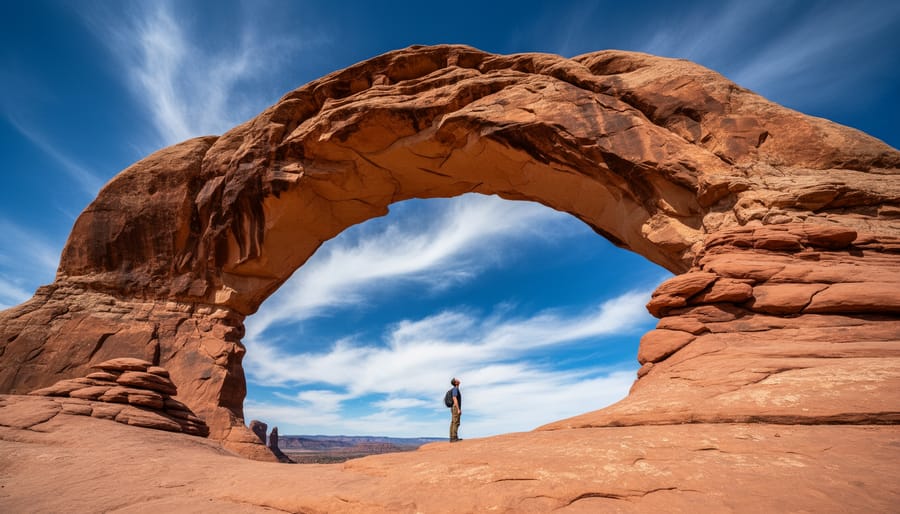
Arches delivers instant gratification for desert adventurers. With over 2,000 documented stone arches scattered across rust-red sandstone fins and balanced rocks that defy gravity, this Utah park offers some of the most photogenic landscapes in the Southwest. Delicate Arch, the park’s poster child, rewards a moderate three-mile round-trip hike with sunset views that ignite the rock in orange and crimson. Families appreciate the paved scenic drive with pullouts at landmarks like Balanced Rock and the Windows Section, where short walks lead to massive arches framing distant La Sal Mountains. Double Arch and Landscape Arch provide accessible wow moments without backcountry commitment. Photographers chase golden hour light year-round, though spring and fall offer comfortable temperatures for longer explorations. The park sits just hours from Moab’s adventure hub and pairs perfectly with Canyonlands for a weekend road trip from Colorado, making it an essential stop on any Southwest parks circuit.
Parks 9-20: Must-Visit Destinations for Adventure Seekers
This middle tier of national parks delivers remarkable variety without straying far from Colorado or other adventure hubs. Many of these parks cluster in the Mountain West and Southwest, making them ideal stops on multi-park road trips. Here’s what each brings to the table:
- Olympic (WA): Temperate rainforest, rugged coastline, and alpine glaciers in one park, backpackers can explore three distinct ecosystems.
- Acadia (ME): East Coast’s premier climbing and sea kayaking destination, with sunrise views from Cadillac Mountain.
- Great Sand Dunes (CO): North America’s tallest dunes backed by the Sangre de Cristo range, sandboarding, fat biking, and surreal high-desert landscapes.
- Black Canyon of the Gunnison (CO): Sheer 2,000-foot walls and technical rock routes for experienced climbers; rim trails offer jaw-dropping views.
- Mesa Verde (CO): Ancient cliff dwellings and archaeological exploration combined with moderate hiking, unique cultural immersion.
- Canyonlands (UT): Vast slickrock wilderness perfect for multi-day 4WD and mountain biking adventures in the Island in the Sky and Needles districts.
- Capitol Reef (UT): Under-the-radar Utah gem with colorful rock formations, slot canyons, and quiet backcountry trails.
- Bryce Canyon (UT): Otherworldly hoodoo forests and sunrise rim walks, check our Bryce Canyon adventure guide for Colorado traveler tips.
- Joshua Tree (CA): Desert bouldering paradise and stargazing haven, easily combined with SoCal coast visits.
- Sequoia & Kings Canyon (CA): Giant sequoias, high Sierra peaks, and the 14,505-foot Mount Whitney trailhead.
- Death Valley (CA): Extremes in every direction, lowest point in North America, stunning badlands, and spring wildflower blooms; see our Death Valley guide before you go.
- Mount Rainier (WA): Iconic volcanic peak with wildflower meadows and glacial ascents for mountaineers.
Several of these parks sit within a day’s drive of each other. The Utah quintet (Canyonlands through Bryce) forms a natural loop, while California’s desert and Sierra parks reward a week-long circuit. Colorado residents can knock out the in-state trio in a long weekend, adding Great Sand Dunes to the Rocky Mountain region itinerary.
Parks 21-40: Hidden Gems and Regional Favorites
This middle tier blends crowd-pleasers with under-the-radar adventures, grouped by region and terrain to help you build efficient road trips.
Appalachian and Eastern Treasures
Great Smoky Mountains (TN/NC) draws more visitors than any other national park, but its 800+ miles of trails reward early risers with solitude in old-growth forests. Shenandoah (VA) offers skyline drives and backcountry camping along the Appalachian Trail, while Acadia (ME) combines rocky coastline with granite peaks. Mammoth Cave (KY) shelters the world’s longest cave system, with tours ranging from easy walks to challenging crawls through tight passages. Hot Springs (AR) blends thermal bathing history with forested mountain trails.
Midwestern Wilderness and Water
Voyageurs (MN) is a paddler’s paradise, accessible mainly by boat across interconnected lakes and waterways. Isle Royale (MI) sits isolated in Lake Superior, offering backpacking and moose-watching without roads or cell service. Badlands (SD) features eroded buttes and fossil beds, while Wind Cave (SD) protects rare boxwork formations underground and a thriving bison herd above.
Desert Southwest Diversity
Big Bend (TX) sprawls across the Chihuahuan Desert with river canyoneering and backcountry solitude. Guadalupe Mountains (TX) hides lush canyons and Texas’s highest peak. Petrified Forest (AZ) and Saguaro (AZ) showcase painted deserts and iconic cacti. Carlsbad Caverns (NM) dazzles with limestone chambers and nightly bat flights.
Pacific Northwest and Alaska
Crater Lake (OR) stuns with its impossibly blue caldera, while Redwood (CA) shelters the world’s tallest trees. Lassen Volcanic (CA) and North Cascades (WA) offer volcanic terrain and alpine backcountry, if you loved our Mount Rainier planning guide, these parks deliver similar challenges. Denali (AK) centers on North America’s tallest peak and vast tundra wildlife corridors. Apply strategies from our Sequoia visitor tips when tackling remote parks with seasonal access.
Parks 41-63: Off-the-Beaten-Path Adventures
The final 23 parks demand serious commitment, but they reward intrepid visitors with solitude and ecosystems you won’t find anywhere else. Many require chartered floatplanes, multi-day boat trips, or tolerating extreme weather, yet that remoteness protects landscapes few humans ever witness.
Alaska dominates this tier with six wilderness giants. Gates of the Arctic sees fewer than 10,000 visitors annually across 8.4 million roadless acres, no trails, no cell service, just tundra, caribou, and the Brooks Range. Kobuk Valley showcases sand dunes above the Arctic Circle, while Lake Clark blends volcanoes, coastal fjords, and salmon-filled rivers. Katmai draws bear enthusiasts to Brooks Falls, where brown bears pluck leaping sockeye from the water inches from viewing platforms. Kenai Fjords offers tidewater glaciers and orca pods along the coast, and Wrangell-St. Elias, the nation’s largest park at 13.2 million acres, sprawls across mountains higher than Denali’s base elevation.
The Pacific islands bring tropical adventure. Haleakalā on Maui features a volcanic crater and sunrise above the clouds, while Hawaiʻi Volcanoes lets you walk across hardened lava fields and watch molten rock reshape coastlines. American Samoa protects coral reefs and rainforest on South Pacific islands accessible only by flight from Hawaii.
Virgin Islands, Dry Tortugas (a boat or seaplane ride from Key West), and Channel Islands off California offer island ecosystems with snorkeling, kayaking, and seabirds. Congaree in South Carolina shelters old-growth bottomland forest, and Biscayne near Miami is 95% underwater, a snorkeler’s paradise. These parks won’t top Instagram feeds, but they deliver authenticity and space that crowded bucket-list destinations can’t match.
Regional Road Trip Ideas: Linking National Parks from Colorado
For Colorado-based travelers, stringing together multiple national parks on a single road trip maximizes adventure value and turns your America the Beautiful pass into a serious bargain. These itineraries link parks into logical loops, cutting down backtracking and showcasing the best of each region.
Colorado Parks Loop (4-6 days): Start with Rocky Mountain National Park for alpine grandeur, then head south to Great Sand Dunes (3.5 hours) to hike North America’s tallest dunes. Continue west to Black Canyon of the Gunnison (2.5 hours) for jaw-dropping rim views, finishing at Mesa Verde (2 hours) to explore cliff dwellings. Best tackled May through October when high-elevation roads stay open.
Utah Mighty Five (5-7 days): Hit all five Utah parks in one swing. From Denver, drive to Arches (5.5 hours), then loop south through Canyonlands, Capitol Reef, Bryce Canyon, and Zion before returning home. Spring (April-May) and fall (September-October) offer the best weather for desert hiking without summer’s brutal heat.
Wyoming-Montana Northern Rockies (6-8 days): Combine Grand Teton (7 hours from Denver) with Yellowstone, then push north to Glacier National Park. This circuit showcases grizzly country and pristine wilderness. June through September is your window before snowfall closes mountain passes.
Southwest Desert Parks (7-10 days): Link Grand Canyon, Petrified Forest, Saguaro, and Joshua Tree for a desert samurai experience. Winter months (November-March) provide comfortable hiking temps across the lower-elevation Southwest.
Need more detailed road trips from Colorado planning? These sample routes are just starting points, adjust based on your timeline, interests, and tolerance for long drives between stops.
Frequently Asked Questions About the US National Parks List
The National Park System can feel overwhelming at first, especially when you’re trying to figure out which parks to visit and what you’ll need to get in. Here are answers to the most common questions we hear from travelers planning their park adventures.
How many national parks are there in the United States?
There are 63 designated national parks within the larger National Park System, which encompasses 433 individual units covering more than 85 million acres across all 50 states, the District of Columbia, and US territories. The distinction matters because only 63 sites carry the “National Park” designation, while the broader system includes national monuments, historic sites, seashores, and other protected areas.
Do I need a pass to visit every national park?
Most sites managed by the National Park Service are free to visit, but parks that charge an entrance fee require you to purchase a standard pass, a park-specific annual pass, or the America the Beautiful pass. The America the Beautiful annual pass costs $80 for U.S. residents and $250 for nonresidents starting January 1, 2026, and it covers entrance fees at all federal recreational sites, making it a smart investment if you’re visiting three or more fee-charging parks in a year.
Can I realistically visit all 63 national parks in one year?
It’s possible but requires serious commitment, substantial time off, and a flexible budget. The biggest challenge is reaching Alaska’s remote parks and the Pacific island parks in Hawaii and American Samoa, which demand separate flights and substantial travel days. A more sustainable approach is to tackle parks by region over several years, allowing you to actually experience each one rather than just checking boxes.
Which parks work best for families versus solo adventurers?
Family-friendly parks like Acadia, Great Smoky Mountains, and Rocky Mountain offer accessible trails, visitor centers with ranger programs, and amenities close to park entrances. Solo adventurers seeking solitude and challenge gravitate toward remote parks like Gates of the Arctic, Isle Royale, and North Cascades, where backcountry skills and self-sufficiency are essential.
If you’re starting your national parks journey from Colorado, you’ve got a head start with four incredible parks in your home state. Focus on building a solid backcountry skill set at Rocky Mountain or Great Sand Dunes before tackling more remote destinations. The beauty of the 63-park list is that there’s no wrong way to explore it, whether you’re knocking out Utah’s Mighty Five in a week or spending an entire summer getting to know one park intimately.
The 63 national parks on this list span an extraordinary range of landscapes and experiences, from the alpine peaks in Colorado’s backyard to the volcanic craters of Hawaiʻi and the untouched tundra of Gates of the Arctic. Each park tells a different story, and every visit adds another chapter to your own adventure narrative.
Start close to home if you’re based in Colorado. Rocky Mountain, Great Sand Dunes, Black Canyon, and Mesa Verde offer weekend-worthy escapes that’ll fuel your appetite for more. If you’re planning multiple park visits in 2026, the America the Beautiful pass at $80 for U.S. residents pays for itself after just a few trips and opens doors to hundreds of federal recreation sites beyond the 63 parks.
We’d love to hear which parks have captured your imagination or changed your perspective. The Nomadic Adventures community thrives on shared experiences, trail recommendations, and those unexpected moments that make a trip unforgettable. If you’ve explored any of these parks and want to share your story, consider contributing as a guest author. Your insights help fellow adventurers plan better trips and discover hidden corners they might otherwise miss.
The list is long, but every park is worth the journey.