
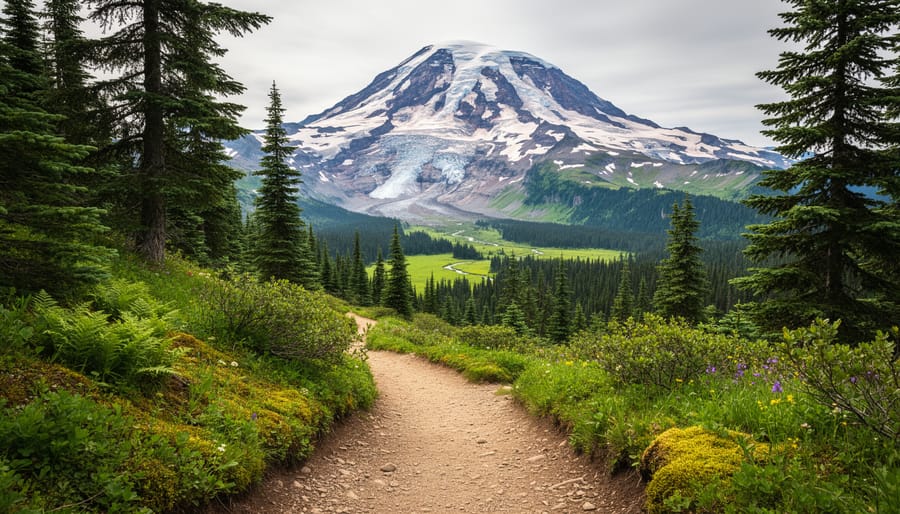
Mount Rainier National Park offers 369 square miles of old-growth forests, subalpine wildflower meadows, and glacier-clad peaks just two hours southeast of Seattle. For 2026 visitors, the good news is that the park has opted not to implement timed entry reservations, meaning you can visit whenever conditions allow without securing advance reservation slots like some other major national parks require.
Right now, active closures do affect access. Sunrise Road and White River Road to SR410 remain closed until further notice, and a fire near Grand Park in the northeast area has temporarily restricted access to that section. These closures shift the visitor experience toward the park’s southern and western corridors, where Paradise and Longmire remain accessible for those seeking dramatic mountain views and well-maintained trail systems.
The 14,410-foot volcano dominates the Pacific Northwest skyline and stands as one of the best adventure national parks in the country for serious backcountry enthusiasts. Whether you’re planning a summer wildflower hike through alpine basins, a winter snowshoe trek, or a multi-day backpacking loop through the Wonderland Trail’s 93 miles, Mount Rainier rewards preparation and flexibility.
Understanding current conditions, selecting the right entry point based on what’s open, and timing your visit around weather patterns will determine whether you encounter the park at its jaw-dropping best or spend hours sitting in your car waiting for clouds to lift. This guide walks through everything you need to know to plan a successful trip in 2026.
What Makes Mount Rainier National Park Special
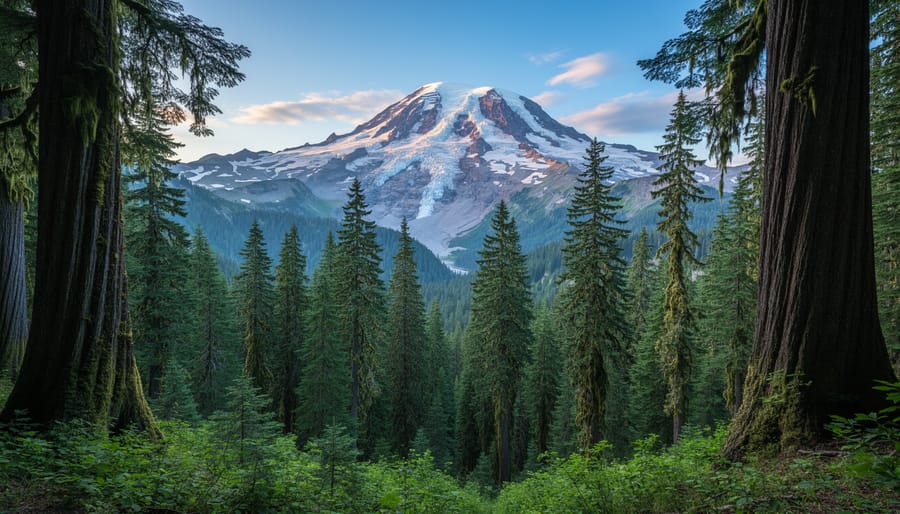
Mount Rainier isn’t just another mountain, it’s an active volcano cloaked in 25 named glaciers that together hold more ice than all other Cascade peaks combined. At 14,410 feet, this stratovolcano dominates the skyline and creates a landscape where subalpine meadows transition to ancient forests within a single afternoon’s hike. The park protects 236,000 acres of remarkably diverse ecosystems, from low-elevation old-growth groves of Douglas fir and western red cedar to high-altitude ice fields where glaciers actively shape the terrain.
What draws people here year after year is the variety of ways you can experience this mountain environment. Wildflower meadows explode with color during late summer, lupine, paintbrush, and avalanche lilies carpeting the high country in displays that rival anywhere on the continent. These same meadows attract black bears, mountain goats, and marmots, making wildlife encounters a regular part of any visit. The park’s 260 miles of maintained trails accommodate everyone from families looking for gentle nature walks to mountaineers attempting one of the most technically demanding summit climbs in the Lower 48.
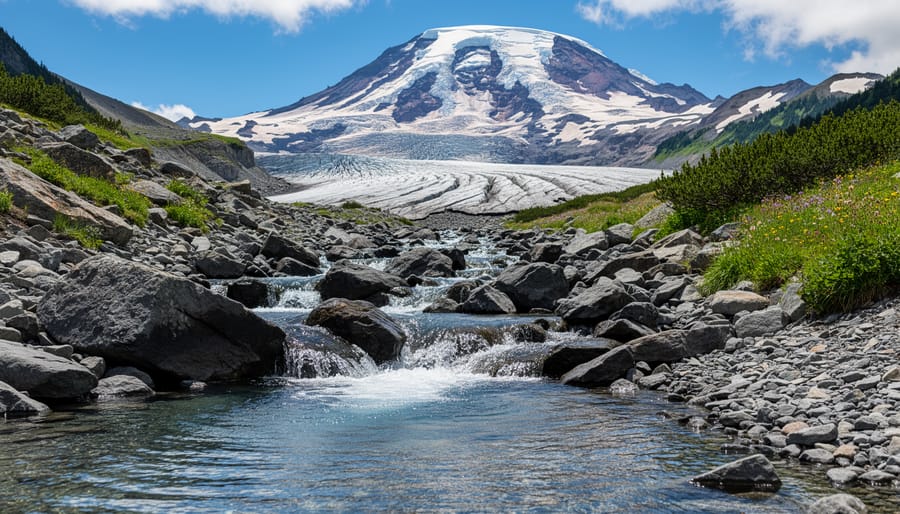
The glacier systems tell their own story. Ice rivers like the Nisqually and Emmons glaciers carve valleys and feed waterfalls, creating a dynamic landscape that’s constantly evolving. You can watch avalanches tumble down icefields from safe viewpoints, or stand at the toe of a glacier and hear the crack and groan of moving ice. That geological power, the reminder that this volcano remains active beneath all that ice, adds an edge of respectful awareness to every visit. This isn’t a static postcard backdrop. It’s a living, breathing mountain ecosystem where the forces that built the Pacific Northwest are still at work.
Current Park Conditions and Access Updates for 2026
Planning a 2026 visit to Mount Rainier requires staying current on park conditions, because closures and access restrictions can shift with wildfires, weather, and infrastructure work. Right now, the park is managing an active fire near Grand Park in the northeast section, which has led to the closure of popular routes. Sunrise and White River closures are in effect until further notice, meaning you can’t drive Sunrise Road or White River Road to SR410. These routes typically offer access to high-elevation wildflower meadows and trailheads, so their closure reshapes your itinerary if you were counting on exploring that area.
The good news is that the park confirmed no timed entry reservations in 2026 which eliminates one planning headache you might’ve faced at other national parks. You can show up without booking a specific entry window, though that doesn’t mean crowds won’t still be heavy during peak summer weekends. Arriving early is still your best bet for parking and breathing room on popular trails.
These closures don’t shut down the entire park. Paradise, the most visited area, remains accessible via the Nisqually Entrance, and you can still reach lower-elevation trails, scenic viewpoints, and the historic Paradise Inn. The fire and road closures concentrate around the northeastern quadrant, so your visit is absolutely still viable if you adjust expectations and focus on what’s open. Just don’t bank your entire trip on accessing Sunrise or backcountry zones near Grand Park without confirming current status first.
Entry fees apply year-round, but specific pricing can change, so verify the current vehicle pass or annual pass cost directly through the National Park Service before you arrive. The park stays open all year, though winter snow closes most roads beyond Paradise, and seasonal weather determines what you can actually reach and do in different months.
Planning Your Visit: Entry, Hours, and Seasonal Considerations
Mount Rainier National Park is open year-round, though different areas operate on varying schedules depending on weather and road conditions. Paradise and Longmire remain accessible throughout winter, while higher elevation areas like Sunrise typically open from early July through September. The 2026 closure of Sunrise Road means you’ll need to adjust plans if you were counting on that access point.
Timing your visit matters. Summer (July through September) draws the biggest crowds but offers the most reliable weather and full park access. Wildflowers peak in late July and August, transforming subalpine meadows into brilliant displays. Spring brings unpredictable conditions with lingering snow at higher elevations but fewer visitors. Fall delivers stunning color and thinner crowds, though shorter days mean less time for exploration. Winter transforms the park into a snow-covered wonderland perfect for snowshoeing and cross-country skiing, but requires preparation for severe weather and limited services.
For entry fees and current rates, check the National Park Service website directly rather than relying on secondhand information that may be outdated. Entrance passes grant access for a set number of days, and annual passes covering all national parks are also available. The good news for 2026: no timed entry reservations are required, unlike some other popular parks that restrict visitor numbers during peak season.
Arrive early regardless of season. Parking lots fill quickly on weekends and holidays, sometimes by 9 AM during summer. Weather shifts rapidly in the mountains, so pack layers even if the forecast looks perfect. Snow can fall any month of the year above 5,000 feet.
Before heading out, confirm current conditions through the park’s official channels. The active fire near Grand Park and ongoing road closures demonstrate how quickly situations change. Real-time information ensures you’re not surprised by unexpected access limitations or safety concerns.
Top Activities and Experiences
Hiking Trails for Every Level
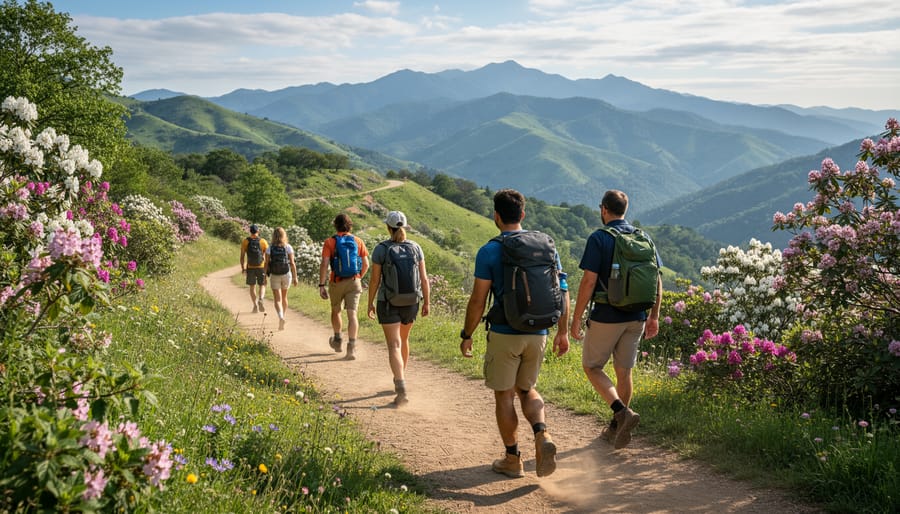
Mount Rainier offers trails that match every skill level, from gentle nature walks to serious mountaineering routes that demand technical expertise.
For families and first-timers, the Trail of the Shadows at Longmire delivers an easy 0.7-mile loop through old-growth forest and past mineral springs, perfect if you’ve enjoyed easy nature walks back home. The Grove of the Patriarchs features a suspension bridge crossing and massive ancient trees on a flat 1.3-mile round trip that kids love.
Intermediate hikers gravitate toward Skyline Trail from Paradise, a 5.5-mile loop that climbs through wildflower meadows with glacier views. The hike gains about 1,700 feet, rewarding effort with alpine scenery. Naches Peak Loop (3.5 miles) provides another moderate option with minimal elevation change and stunning mountain panoramas.
Advanced adventurers tackle routes like the Wonderland Trail, a 93-mile circuit around the entire mountain requiring backcountry permits and serious preparation. Day hikers seeking challenging day hikes can push themselves on Burroughs Mountain Trail, which climbs to alpine tundra with 2,200 feet of elevation gain over 7 miles.
Remember that high-altitude trails here start well above sea level, and weather shifts rapidly. If you regularly hike similar trails at elevation, you’ll adapt quickly, but bring layers regardless of summer forecasts. Given current Sunrise Road closures, verify trail access before committing to a specific route. Popular trailheads fill by mid-morning during peak season, so arrive early or have backup options ready.
Scenic Drives and Viewpoints
Mount Rainier’s scenic drives deliver stunning mountain views with far less effort than hiking requires. Paradise Road, the park’s most famous route, climbs from Longmire through old-growth forest to Paradise at 5,400 feet, where the iconic south face of the mountain dominates the skyline. On clear days, you’ll see the Nisqually Glacier and surrounding peaks from multiple pullouts designed for photography and simply taking in the view. The drive itself winds through dramatic elevation changes and ecosystems, with each switchback revealing new perspectives of the volcanic peak.
However, current road closures significantly affect 2026 access. Sunrise Road and White River Road to SR410 remain closed until further notice, cutting off the highest paved road in the park and the Sunrise viewpoint area. This means Paradise Road becomes even more critical for visitors seeking vehicle-accessible mountain views. The Carbon River area offers an alternative for those exploring the northwest section, though it’s less developed and farther from the park’s main entrance.
Plan your drives for early morning when visibility is clearest and parking isn’t yet full. Weather changes quickly at elevation, so the same driving safety tips that apply to mountain roads anywhere, watching for ice, wildlife, and sudden fog, matter here too. Always carry layers and check current road conditions before departing.
Where to Stay: Lodging and Camping Options
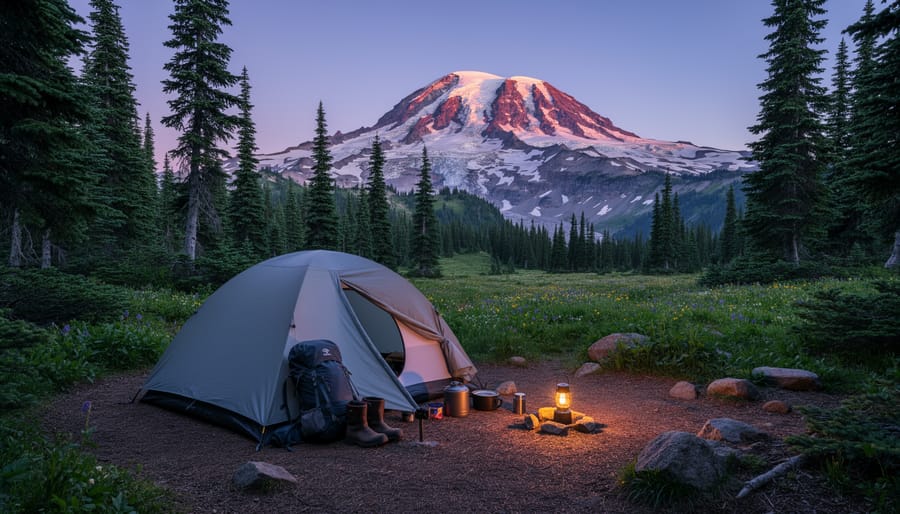
Mount Rainier offers lodging for every style of visit, from historic inns perched at elevation to quiet forest campsites where you’ll wake to mountain views. Your choice depends on your comfort preferences, trip timing, and how deeply you want to immerse yourself in the park’s wilderness.
The park operates two historic lodges, Paradise Inn and National Park Inn, both managed by concessionaire Rainier Guest Services. Paradise Inn sits at 5,400 feet with direct access to wildflower meadows and iconic mountain panoramas, typically open late May through early October depending on snow conditions. National Park Inn, located in Longmire near the Nisqually entrance, welcomes guests year-round and serves as a base for winter snowshoeing and summer hiking. Both book up months in advance for peak summer weekends, so reservations open in October for the following season and sell out quickly for July and August dates.
| Lodging Type | Location | Typical Season | Best For |
|---|---|---|---|
| Paradise Inn | Paradise (5,400 ft) | Late May, Early Oct | Hikers wanting alpine access |
| National Park Inn | Longmire | Year-round | Winter visitors, families |
| Developed Campgrounds | Cougar Rock, Ohanapecosh, White River | May, Sept (varies) | Car campers, first-timers |
| Backcountry Camping | Trail camps throughout park | Year-round (permit required) | Experienced backpackers |
Four developed campgrounds serve car campers: Cougar Rock and Ohanapecosh operate reservation systems through (bookings open six months ahead), while White River and Mowich Lake remain first-come, first-served. Given current road closures affecting White River access, confirm campground status before planning your trip. The camping reservations process fills quickly for weekends, so book as soon as your dates open if you’re targeting peak wildflower season.
Backcountry camping requires wilderness permits available through the park’s online system starting in mid-March for summer trips. Popular backcountry zones like Wonderland Trail camps fill within hours of the reservation window opening, though walk-up permits for less-trafficked areas remain available.
Outside the park, gateway towns like Ashford, Packwood, and Enumclaw offer motels, vacation rentals, and additional private campgrounds within 30-45 minutes of park entrances, useful backup options when in-park lodging sells out.
Essential Tips From Experienced Park Visitors
Weather shifts faster in the mountains than you expect. Veterans of Mount Rainier talk about starting hikes in sunshine and encountering snow squalls by afternoon, even in summer. Layer your clothing and pack waterproof gear regardless of the morning forecast. Many experienced visitors keep extra warm layers and rain shells in their cars for unexpected weather turns during the day.
Arrive before 8 a.m. if you’re heading to popular areas like Paradise. The parking lots fill completely on weekends and sunny days, and you’ll spend valuable hiking time circling for spots or waiting at the entrance. Early arrivals also catch the mountain at its clearest before afternoon clouds roll in.
Wildlife encounters happen regularly here. Black bears frequent the meadows during berry season, and mountain goats wander the high country. Keep at least 75 feet away from large animals, never approach for photos, and store all food properly even during short trail breaks. Marmots and ravens are notorious for raiding unattended packs.
Pack more water than feels necessary. The elevation gain on seemingly short trails leaves many people underestimating their needs, and there aren’t water sources once you’re away from developed areas. A headlamp belongs in every daypack too, underestimating trail times is common when you’re stopping for views every few minutes.
Leave No Trace isn’t just a slogan at Rainier. The fragile alpine meadows take decades to recover from trampling. Stay on designated trails even when they’re muddy, pack out everything you bring in, and if you’re camping in the backcountry, use established sites and practice proper food storage. The wildflower fields that make this park famous depend on every visitor protecting them.
Common Questions About Visiting Mount Rainier
Do I need permits or reservations to visit in 2026?
Mount Rainier will not require timed entry reservations at any point during 2026. You’ll need wilderness permits for overnight backcountry camping, and climbers above 10,000 feet need climbing permits, but day visitors can enter without advance reservations.
What areas of the park stay open during winter?
Paradise and the Nisqually entrance remain accessible year-round, though heavy snow affects road conditions and facility availability. Most other park roads close seasonally, typically from late fall through late spring depending on snowpack.
Can I bring my dog to Mount Rainier?
Pets are allowed only on paved roads, parking areas, and campgrounds, but not on trails or in buildings. They must be leashed at all times.
Is there cell phone service in the park?
Cell coverage is extremely limited throughout Mount Rainier. Some visitors catch a signal at Paradise or Sunrise on clear days, but you should plan to be without connectivity for most of your visit.
How much time should I budget for a visit?
A quick visit to see Paradise and drive the main roads takes half a day, but most visitors spend a full day or weekend to hike trails and explore different areas. Serious hikers and climbers often dedicate several days to experience the park’s backcountry.
Where can I find current entry fees?
Fee structures can change, so verify current entrance costs directly through the National Park Service website or by calling the park before your trip rather than relying on outdated information.
Keep in mind that conditions shift throughout the year. Sunrise Road and White River Road remain closed until further notice due to the active fire situation near Grand Park in the northeast section, which affects access to those popular areas. Check the park’s official condition updates before you leave, especially if you’re planning to visit specific trailheads or viewpoints that might be impacted by closures.
Weather can change rapidly at elevation, even during summer months. What starts as a sunny morning hike can turn into afternoon fog, rain, or even snow above the treeline. Layers, waterproof gear, and extra food belong in your pack regardless of the forecast. Rangers recommend starting hikes early, both to secure parking and to complete your route before afternoon weather rolls in.
Mount Rainier National Park stands as one of America’s most compelling natural destinations, offering everything from accessible wildflower meadows to serious mountaineering challenges. Whether you’re drawn by the chance to witness an active volcano up close, explore old-growth forests that have stood for centuries, or simply experience the quiet power of intact wilderness, this park delivers experiences that stay with you long after you’ve returned home.
Before you head out in 2026, remember that conditions at Mount Rainier are dynamic. The fire activity near Grand Park and the ongoing closures of Sunrise Road and White River Road mean some areas remain inaccessible, so your planning needs to account for these limitations. The good news? No timed entry reservations are required, giving you flexibility in when you arrive. Always check the National Park Service website for the latest updates on road conditions, closures, and any new alerts before you make the drive.
Come prepared for rapidly changing weather, respect the power of this volcanic landscape, and give yourself enough time to truly experience what makes this park extraordinary. Mount Rainier rewards those who show up ready for adventure with moments of genuine wonder, the kind that remind you why wild places matter. Pack your layers, fill up your water bottles, and get ready to see why this mountain has captivated visitors for generations.