
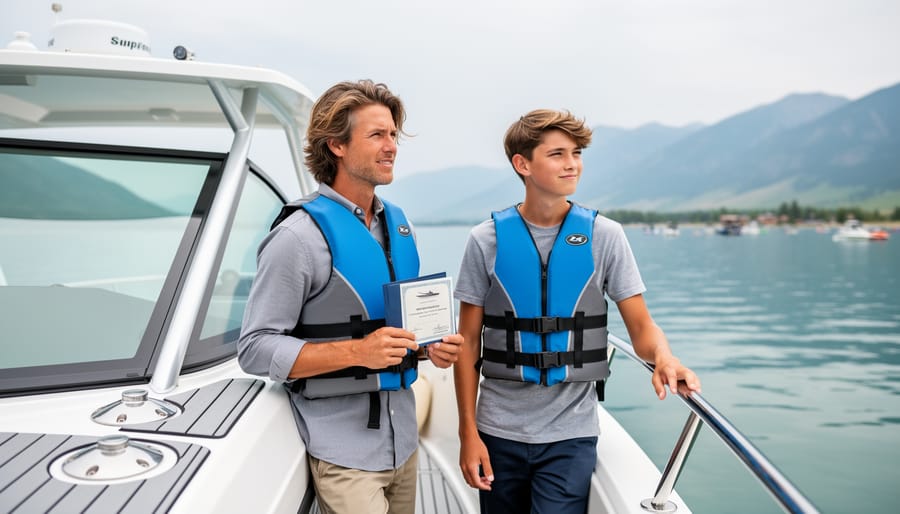
Planning your first motorboat outing on Colorado’s pristine lakes and reservoirs? Here’s the straight answer: Colorado doesn’t require a traditional boating license for adults, but if you’re under 18, you’ll need to complete an approved boating safety course and carry the certificate with you on the water. Since June 1st, 2024, anyone under 18 operating a motorboat or personal watercraft must have passed this certification, while adults 18 and older can legally operate without any formal training.
This isn’t about paperwork for its own sake. Colorado Parks and Wildlife introduced these age-based requirements to keep everyone safer on popular waterways like Horsetooth Reservoir, Lake Dillon, and Grand Lake, where summer weekends bring hundreds of boats, paddleboarders, and swimmers into close quarters. The course requirement ensures younger operators understand navigation rules, right-of-way protocols, and emergency procedures before they take the helm.
The process is straightforward and accessible. Teens aged 14 to 17 can complete the safety course online, through an app, or in person, and the certificate they receive never expires. That lifetime validity means you’ll complete it once and you’re set for every future Colorado boating adventure, whether you’re towing wakeboarders at Blue Mesa or cruising the calm waters of Chatfield Reservoir. For families exploring family-friendly Colorado adventures getting this certification handled early in the season opens up an entire summer of water-based activities across the state’s 250-plus lakes and reservoirs.
Who Needs a Boating Safety Certificate in Colorado?
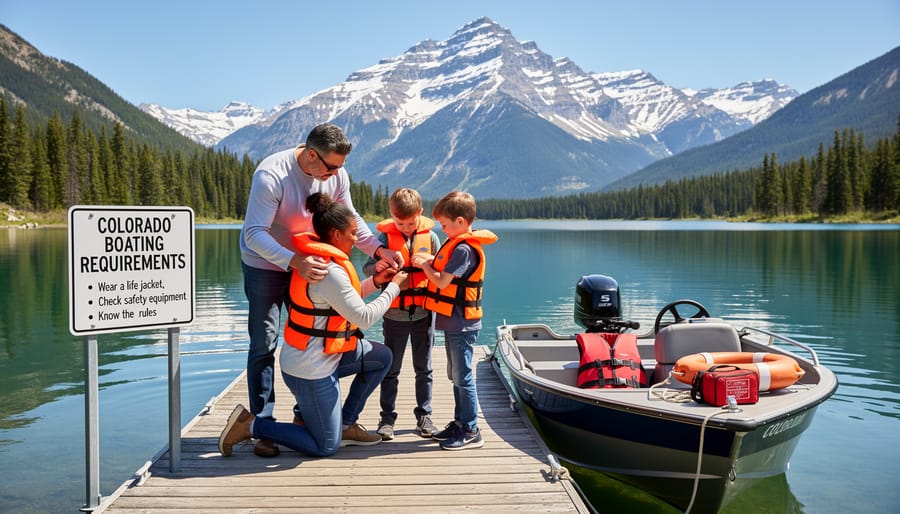
Colorado’s boating requirements are straightforward once you understand the age-based system. As of June 1st, 2024, the rules create three distinct categories that determine who can operate a motorboat or personal watercraft on Colorado waters.
If you’re 18 or older, you’re free to operate any motorboat without completing a safety course or obtaining certification. No paperwork, no testing, you can head straight to the water. This includes personal watercraft like jet skis and ski-doos.
For young boaters aged 14 to 17, there’s an additional step. You can operate motorboats and personal watercraft, but only after completing a boating safety course approved by Colorado Parks and Wildlife and receiving your certificate from the course provider. This certificate stays valid for life, so once you’ve earned it, you’re set, even after you turn 18.
Anyone under 14 cannot legally operate a motorboat in Colorado, regardless of supervision or certification. This is a firm restriction with no exceptions, designed to ensure younger children have the physical capability and judgment needed to handle powered watercraft safely.
For families planning adventures together, this means parents can operate rental boats immediately, while teenage children will need to plan ahead and complete their certification if they want to take the helm.
What You’ll Need Before You Start
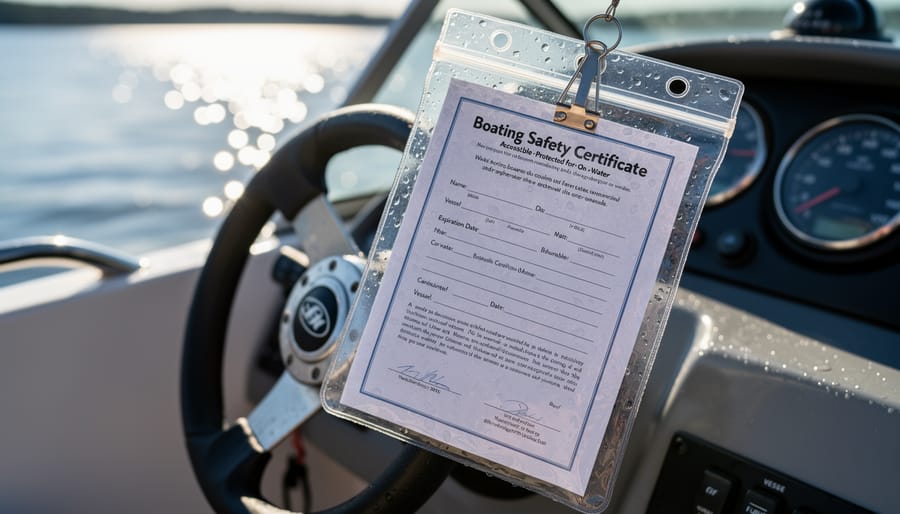
Getting your Colorado boating safety certificate is straightforward, and you probably have everything you need already. Before you dive into the process, here’s what to gather:
- A computer, tablet, or smartphone with internet access for online courses
- Valid identification to register with the course provider
- About 2-4 hours of focused time to complete the coursework and exam
- A waterproof card holder or phone case to protect your certificate while on the water
That’s really it. Since Colorado offers flexible course formats, including fully online and app-based options, you can complete the entire certification from your couch. The ID requirement is simple: most providers just need basic information to issue your certificate through the CPW-approved system. As for the time commitment, most young boaters find the courses engaging rather than tedious, especially when they’re thinking about that first trip out on Blue Mesa or Grand Lake. Once you’ve got your certificate, keeping it dry and accessible while boating is the only ongoing requirement, since you’re legally required to carry it aboard whenever you’re operating a motorboat.
Important Safety and Legal Considerations
Before you head out on Colorado’s stunning reservoirs and lakes, understand the legal rules and your responsibilities as an operator. These requirements exist to protect everyone on the water and ensure safe, enjoyable experiences for all boaters.
The most critical rule: no one under 14 years old can legally operate a motorboat in Coloradoregardless of supervision or experience. This is a hard age limit with no exceptions. If you’re between 14 and 17, you must complete a CPW-approved boating safety course and carry your certificate whenever you’re at the helm. Adults 18 and older can operate without certification, but everyone shares the same responsibility to know the rules and drive safely in Colorado whether on highways or waterways.
Understanding these requirements isn’t just about avoiding penalties. Operating a motorboat carries real responsibility for your passengers, other boaters, swimmers, and wildlife. Weather can change rapidly in Colorado’s high-altitude environment, and even familiar waters present hazards. The certification requirement for young operators ensures they’ve learned navigation rules, emergency procedures, and how to handle the unique conditions of Colorado’s reservoirs before taking control of a powerful watercraft.
How to Get Your Colorado Boating Safety Certificate: Step-by-Step
Choosing Your Course Format
Colorado Parks and Wildlife approves three distinct course formats, each designed to fit different schedules and learning preferences. In-person classroom courses offer the traditional hands-on experience with a certified instructor, typically running for a full day on weekends. These work well for learners who thrive on direct interaction and want to ask questions in real time.
Live virtual courses bring that same instructor-led format to your screen. You’ll join scheduled sessions from home, interact with the instructor and other students, and cover the same material as the classroom version without the drive to a physical location.
Self-paced online and app-based courses give you maximum flexibility. You can complete modules on your own timeline, whether that’s a few hours in one sitting or spread across several days. This option suits busy families juggling school schedules, work commitments, and Colorado adventure planning.
All three formats cover identical content and result in the same CPW-approved certificate. Choose based on how your young boater learns best and what fits your family’s calendar as you prepare for your first outing on Colorado’s reservoirs.
What the Course Covers
The CPW-approved courses walk you through everything you need to operate a motorboat safely and legally on Colorado waters. You’ll learn navigation rules, who has right-of-way, how to read channel markers, and what different buoys mean. The curriculum covers essential safety equipment like life jackets, fire extinguishers, and sound-producing devices, plus when and how to use them. Weather awareness is a key component: recognizing storm patterns, understanding wind effects on smaller craft, and knowing when to head for shore. You’ll also study Colorado-specific regulations, including speed limits near docks, no-wake zones, and rules for operating personal watercraft on reservoirs and lakes. The courses include real-world scenarios, what to do if someone falls overboard, how to handle an engine failure, and basic emergency procedures. By the end, you’ll have practical skills that go far beyond passing a test, giving you the confidence to handle your boat responsibly from your first launch.
After You Get Certified: Verification and Next Steps
Once you’ve passed your course and received your boating safety certificate, you’re set for life, the certificate never expires and doesn’t require renewal. This means you won’t need to retake the course or worry about letting documentation lapse as you grow older or take breaks between boating seasons.
When you complete a CPW-approved course, the provider will issue your certificate directly. Double-check that you receive official documentation from a recognized provider, as this is what you’ll need to carry on the water. The certificate should clearly identify you and confirm completion of an approved boating safety course. Keep both a physical copy on board whenever you operate a motorboat and consider storing a digital backup on your phone for easy access.
If you lose your certificate, contact the organization that issued it, most approved providers keep records and can issue replacements for a small fee or sometimes free of charge. Since the certificate is valid for life, there’s no deadline pressure, but you’ll need a replacement before your next outing if you’re still under 18.
Now that you’ve handled the legal requirements, it’s time to shift your focus from paperwork to planning. With your certification complete, Colorado’s stunning reservoirs, alpine lakes, and waterways are waiting for you to explore.
Ready to Launch Your Colorado Boating Adventures
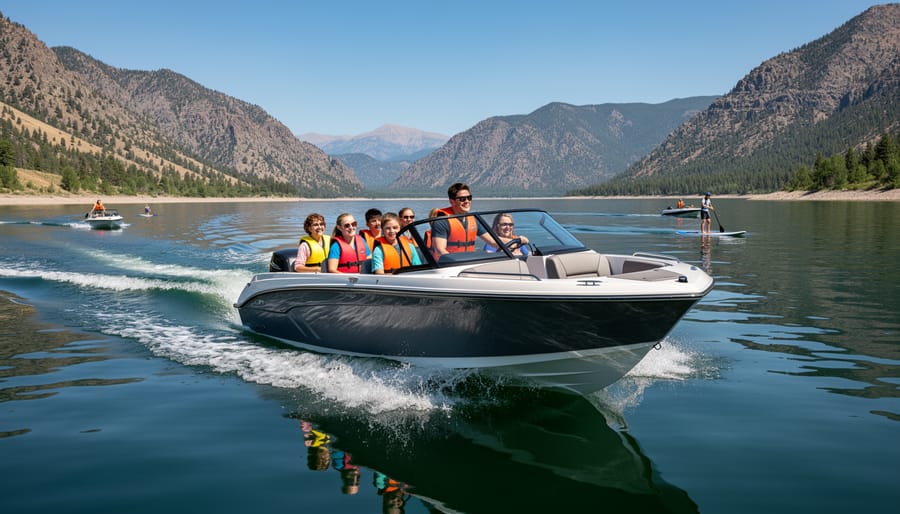
With your certification complete, you’re ready to explore some of the most spectacular waters in the state. Colorado’s reservoirs and lakes offer endless opportunities for newly certified young boaters to practice their skills while soaking in mountain scenery.
Blue Mesa Reservoir, Colorado’s largest body of water, provides expansive open water ideal for beginners gaining confidence behind the helm. Grand Lake combines classic mountain charm with calm waters perfect for first-time captains, while Horsetooth Reservoir near Fort Collins offers convenient access and a welcoming atmosphere for families learning together.
Your boating adventures pair naturally with exploring Colorado national parks and discovering the scenic views in Colorado from unique vantage points on the water. Nomadic Adventures can help you find the best launch sites, rental options, and guided experiences that match your family’s comfort level and interests. Start planning your first trip and put that hard-earned certificate to good use on Colorado’s incredible waterways.
Frequently Asked Questions
Do adults in Colorado need a boating license? If you’re 18 or older, no, you can operate a motorboat without any certification or course completion. Colorado’s requirements apply only to younger operators between 14 and 17 years old. Once you turn 18, you’re legally able to boat without restrictions, though taking a safety course can still build valuable skills and confidence on the water.
Do I need a license if I’m over 18?
No. Adults 18 and older can operate motorboats in Colorado without completing a boating safety course or obtaining any certification.
Is my Colorado boating safety certificate valid in other states?
Most states recognize Colorado-issued certificates through reciprocity agreements, but requirements vary by state. Check the specific regulations for any state where you plan to boat.
What if I lose my certificate?
Contact the CPW-approved provider who issued your original certificate to request a replacement. Since the certificate is valid for life and never expires, they should have your completion record on file.
Can I start the course before I turn 14?
Yes, you can complete the course early to be ready when you turn 14, though you won’t be able to legally operate a motorboat until your 14th birthday.
What happens if you turn 18 while taking the course? You’re no longer legally required to finish it once you’re 18, since adults don’t need certification in Colorado. However, completing the course you’ve started gives you knowledge that makes you a safer, more confident boater, and if you’ve already invested the time, the lifetime certificate can be useful if you boat in states with different age requirements or want documentation of your training.