
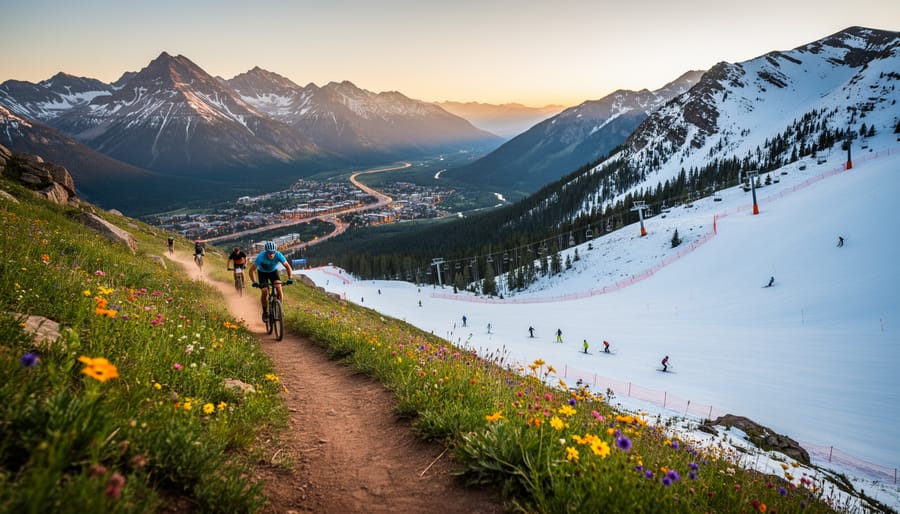
Colorado’s mountain events calendar runs year-round, with peak festival season spanning June through September when warm weather opens high-altitude venues, though winter brings its own thriving scene of snow sports competitions and holiday celebrations. The timing you choose depends entirely on what draws you to the mountains: summer music festivals and trail races, fall harvest celebrations and Oktoberfests, winter ski competitions and ice festivals, or spring wildflower events and early-season cycling rallies.
Every season offers distinct advantages. Summer crowds the calendar with outdoor concerts, art fairs, and endurance races taking advantage of long daylight hours and accessible mountain passes. Winter transforms ski towns into hubs for film festivals, culinary weekends, and championship snowboarding events. The shoulder seasons of spring and fall deliver smaller-scale gatherings, craft beer festivals, and cultural celebrations when lodging prices drop and locals reclaim their towns.
Understanding this rhythm helps you align your visit with experiences that matter most, whether you’re chasing world-class athletes at a trail running series, discovering emerging musicians at an intimate alpine venue, or joining a community harvest festival where ranchers and farmers share the season’s bounty. The mountains host hundreds of events annually, each shaped by elevation, snow conditions, and the distinct personality of its host town.
Quick Answer: Best Timing for Colorado Mountain Events
Colorado’s mountain event calendar runs year-round, but timing matters. Summer (June through August) dominates the festival scene, with music events, outdoor concerts, food celebrations, and farmers markets filling weekends across resort towns. This window offers warm weather, full resort access via summer chairlifts, and the longest daylight hours, perfect for families and festival-goers who want guaranteed sunshine.
Winter transforms the focus to snow-centric gatherings. December through March brings world-class ski and snowboard competitions, ice sculpture festivals, holiday markets, and après-ski celebrations in Vail, Breckenridge, and Aspen. If you’re chasing winter sports culture or festive mountain atmosphere, this is your season.
The shoulder seasons, April through May and September through October, reward strategic travelers. Spring brings film festivals and opening-weekend parties as towns shake off winter, while fall showcases Oktoberfests, harvest festivals, and balloon events against golden aspen backdrops. Crowds thin out, lodging costs drop, and you’ll find more authentic local experiences at community gatherings.
Choose your timing based on what draws you: chase big-name acts in summer’s heat, experience competition energy in winter’s cold, or discover quieter cultural gems when the tourist rush fades.
Colorado Mountain Events by Season and Month
Winter Event Season (December-February)
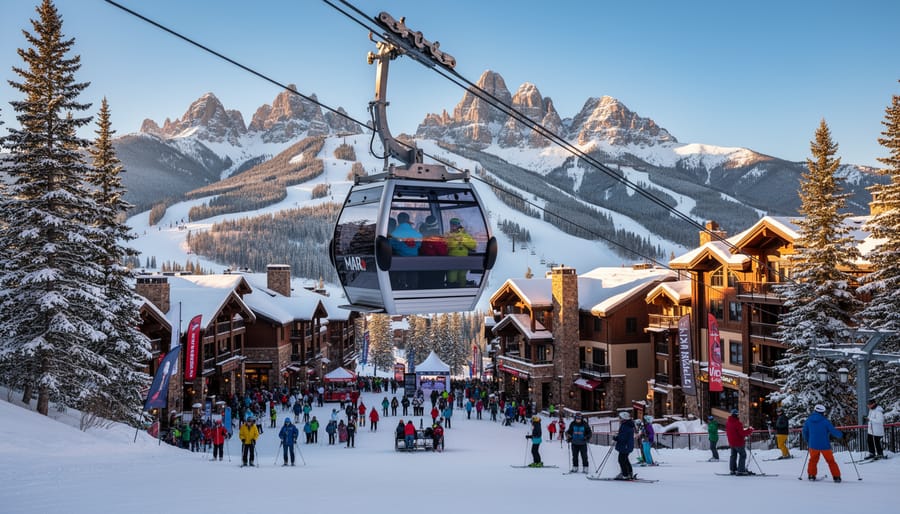
Colorado’s winter event season transforms mountain towns into vibrant celebration hubs when snow covers the peaks. December through February brings the state’s most iconic cold-weather gatherings, drawing visitors who bundle up for outdoor festivities that embrace rather than hide from winter’s chill.
The season kicks off with holiday markets taking over town squares throughout December. Breckenridge’s International Snow Sculpture Championships in late January stands as the crown jewel of winter events, where artists from around the globe carve massive blocks of snow into intricate masterpieces along Main Street. Spectators can watch the transformation over several days before the finished sculptures debut, all completely free to view.
New Year’s Eve transforms Breckenridge, Vail, and Steamboat Springs into outdoor party venues with torchlight parades, fireworks launched over snowy slopes, and street celebrations that continue despite subfreezing temperatures. Aspen’s Winter X Games in late January attracts the world’s top action sports athletes, filling the town with energy as halfpipe and slopestyle competitions unfold against a backdrop of pristine mountains.
Smaller gems dot the calendar too. Loveland hosts its Fire and Ice Festival in February, combining chainsaw ice carving demonstrations with Valentine’s weekend romance. Steamboat’s Winter Carnival, running since 1914, features ski jumping competitions where cowboys and ranchers hurtle down a jump on skis before landing in a pool of water.
Weather plays a starring role during this window. Heavy snowfall can delay outdoor events by hours, but it also creates the magical atmosphere that makes Colorado’s winter gatherings unforgettable. Temperatures typically range from 10 to 35 degrees, so layering becomes essential for enjoying multi-hour outdoor festivals.
Spring Transition (March-May)
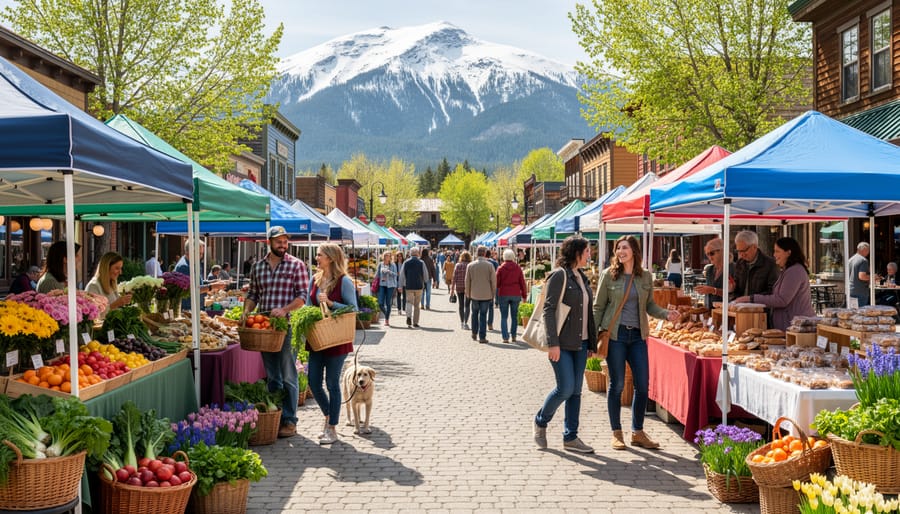
March through May marks Colorado’s most unpredictable event season, when mountain towns navigate the messy transition between winter sports and summer adventures. This shoulder period delivers unique festivals and competitions you won’t find during peak months, though mud season’s arrival means checking event status before you pack.
Late-Season Ski Competitions and Closing Weekends
Major resorts schedule their wildest events for late March and April closing weekends. Arapahoe Basin’s Beach Day, typically late May or early June, features bikini skiing and pond-skimming contests as die-hard riders celebrate the state’s longest season. Vail’s Spring Back to Vail in mid-April combines free concerts with final powder runs, while Telluride’s Closing Weekend often includes costume competitions and barbecues on the slopes.
Film Festivals and Cultural Programming
Spring brings serious film festivals to mountain towns. Aspen hosts its renowned shortsFest in early April, screening international short films before most tourists arrive. Mountainfilm in Telluride over Memorial Day weekend attracts documentary filmmakers and adventurers worldwide, though accommodations book months ahead for this kickoff to summer festival season.
Mud Season Reality and Opening Celebrations
Late April through mid-May is legitimately quiet, locals call it mud season because trails turn to soup and many restaurants close for maintenance. Some events get rescheduled or cancelled when late snowstorms hit or warm weather arrives too quickly. By late May, mountain towns host opening weekends for summer operations: chairlift rides resume, bike parks open, and communities throw parties to welcome back warm-weather crowds. Check specific event websites rather than assuming spring dates are locked in like summer festivals.
Summer Peak Season (June-August)
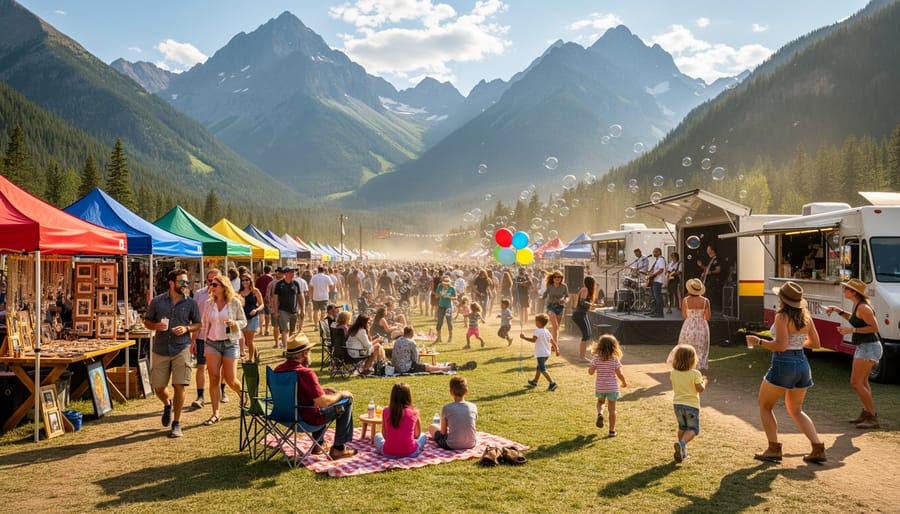
Summer transforms Colorado’s mountain towns into outdoor celebration hubs. June through August delivers the state’s most concentrated event calendar, taking advantage of warm weather, accessible high-country venues, and peak visitor numbers. This three-month window offers something for everyone, from intimate farmers markets to massive music festivals drawing international headliners.
June: Festival Season Launches
Early June brings community events like Frisco’s BBQ Challenge and Telluride’s Bluegrass Festival, which kicks off the summer concert series circuit. Farmers markets begin weekly runs in nearly every mountain town, Breckenridge, Vail, Steamboat Springs, and Crested Butte all host Thursday through Sunday markets featuring local produce, crafts, and live music. The Ride the Rockies cycling tour typically routes through mountain communities mid-month, bringing hundreds of riders and spectators.
July: Peak Activity and Patriotic Celebrations
July explodes with activity. The 4th of July events dominate the first week, Breckenridge, Frisco, and Keystone host major parades and fireworks shows, while smaller towns like Silverton and Georgetown offer authentic small-town Independence Day experiences. Mid-July features Bravo! Vail classical music performances and the Vail Dance Festival. Aspen’s Food & Wine Classic attracts culinary enthusiasts, and rodeos run throughout the month in mountain communities from Estes Park to Steamboat Springs.
August: Music Festivals and Endurance Events
August maintains the momentum with signature music gatherings. Telluride hosts both its Jazz Festival and Film Festival back-to-back at month’s end. The Breckenridge Music Festival continues its summer concert series in the Riverwalk Center. Endurance athletes tackle the Leadville Trail 100 Run, one of North America’s most challenging ultra-marathons. Shakespeare festivals in Boulder and Lake Dillon perform nightly outdoor productions, weather permitting.
Weekend farmers markets continue strong through August, often expanding inventory as local harvests peak. Outdoor concert venues operate at full capacity, with most events selling out weeks in advance during this high-demand window.
Fall Color Season (September-November)
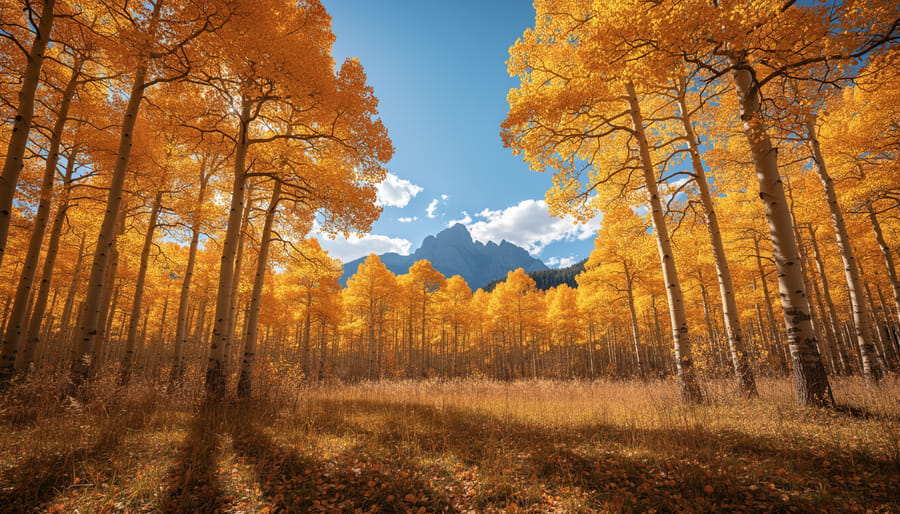
September through November transforms Colorado’s mountain towns into golden wonderlands, and the event calendar shifts to celebrate the harvest, changing leaves, and quieter cultural moments before winter arrives. This shoulder season attracts smaller crowds than summer while offering some of the state’s most visually stunning backdrops for festivals and gatherings.
Harvest and Oktoberfest Celebrations
Towns across the Rockies embrace autumn with harvest-themed events throughout September and early October. Oktoberfest celebrations dominate weekends in Breckenridge, Keystone, and Estes Park, featuring traditional German food, live polka bands, and craft beer samplings. These festivals typically run from mid-September through the first weekend of October, coinciding with peak aspen foliage in higher elevations.
Fall Foliage Festivals
Late September and early October bring dedicated leaf-peeping events. The Aspen Leaf Festival, Golden Leaf Festival, and various Fall Color Weekends in Steamboat Springs and Crested Butte combine scenic gondola rides with art shows, live music, and guided nature walks. These events deliberately schedule around predicted peak foliage windows, though exact timing shifts based on weather patterns each year.
Balloon and Arts Events
The Snowmass Balloon Festival in September and Steamboat’s Hot Air Balloon Rodeo showcase colorful balloons against golden mountainsides. November brings quieter cultural gatherings, small film screenings, author talks at independent bookstores, and craft fairs, as mountain communities prepare for winter while tourism slows.
Fall events offer an intimate alternative to summer’s bustle. Temperatures range from crisp mornings in the 30s to pleasant afternoons in the 60s, perfect for exploring towns between festival activities. Book accommodations early for late September weekends, when leaf colors and event schedules align perfectly.
Holiday Season Events (Late November-December)
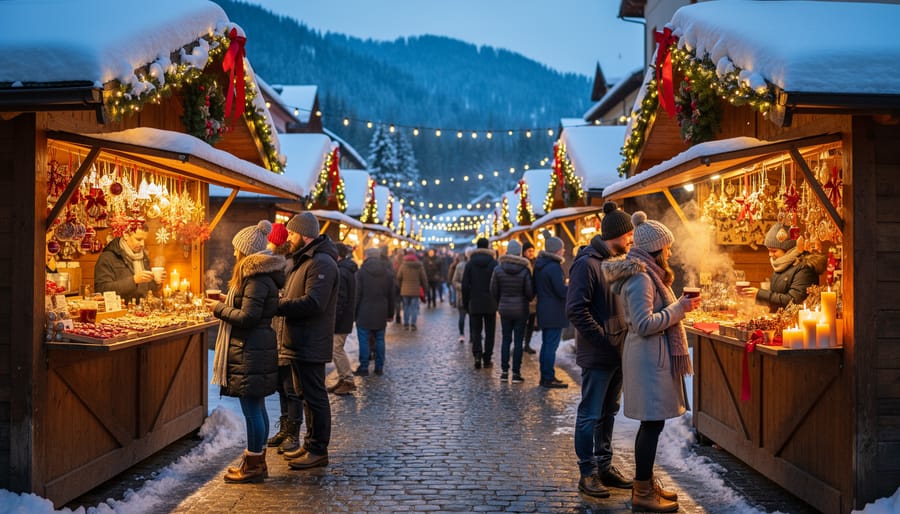
As Thanksgiving wraps up, Colorado’s mountain towns transform into alpine wonderlands with events that rival European holiday traditions. Late November kicks off with small-town tree lighting ceremonies, often paired with caroling, hot cocoa stations, and visits from Santa arriving on skis or horse-drawn sleighs.
December brings the crown jewel: authentic German-style Christkindl markets in communities like Breckenridge, Vail, and Snowmass, featuring hand-carved ornaments, glühwein, and European artisan vendors. Many towns host weekly lighting parades where locals decorate snowcats and ski patrol vehicles with thousands of lights. Winter solstice celebrations take a quieter turn with torchlight ski descents down snowy slopes, bonfire gatherings, and full moon snowshoe hikes. Most holiday events run weekends through mid-December, with some extending through New Year’s Eve for maximum festive immersion.
Factors That Shift Event Timing
Weather and Altitude Considerations
Colorado’s mountain weather is notoriously unpredictable, and event organizers face constant challenges when planning outdoor gatherings at elevation. A sunny morning can transform into an afternoon thunderstorm within hours, forcing last-minute venue changes or cancellations. Events scheduled during shoulder seasons, particularly late May and early September, remain especially vulnerable to sudden snowfall that can close venues and turn dangerous roads into impassable routes.
Altitude adds another layer of complexity. At 8,000 to 10,000 feet, temperatures swing 30 to 40 degrees between daytime and evening, requiring event planners to prepare for both sunburn and frost during single-day festivals. Lightning becomes a serious concern above treeline during summer months, often shutting down high-elevation endurance races mid-event. Smart travelers monitor long-range forecasts starting two weeks out and pack layers regardless of the season, knowing that mountain conditions shift faster than any schedule.
Tourism Cycles and Resort Schedules
Colorado mountain events cluster around resort operating schedules because that’s when infrastructure exists to support large gatherings and visitors are already flowing into towns. Ski resorts typically run mid-November through mid-April, creating a natural window for winter events when lodging, restaurants, and transportation systems operate at full capacity. Event organizers know they can piggyback on existing tourist traffic during these months rather than building an audience from scratch.
Summer operations follow a different pattern. Many resorts open chairlifts and gondolas for scenic rides from late May through September, enabling mountaintop events, trail races, and music festivals that leverage alpine settings. These warm-weather events concentrate in June through August when resort amenities like mountain coasters, bike parks, and outdoor dining venues operate daily.
The shoulder seasons, late April through May and late September through November, present challenges. Reduced services, limited lodging options, and uncertain weather make large-scale events riskier. You’ll find mostly local community gatherings during these windows, smaller affairs that don’t require full resort infrastructure. Understanding these cycles helps you anticipate which months offer festival-packed weekends versus quieter cultural events in towns running on local energy alone.
Local Traditions and Community Calendars
Mountain communities guard their event calendars with surprising intensity. Annual gatherings often lock in the same weekend year after year, Breckenridge’s Ullr Fest owns mid-January, Telluride’s Bluegrass Festival claims late June, and Aspen’s Food & Wine Classic stakes out September, creating informal but ironclad scheduling territories.
This isn’t random. Towns coordinate to avoid cannibalizing each other’s audiences and volunteers. You won’t find major music festivals competing head-to-head in neighboring counties on the same Saturday. Event organizers communicate across mountain ranges, particularly for gatherings that draw from the same pool of vendors, performers, and staff.
Historical timing matters more than you’d expect. Crested Butte’s wildflower festival happens in mid-July because that’s when the alpine blooms peak, full stop. Mining heritage celebrations align with actual historical dates from the 1800s. These aren’t flexible marketing decisions; they’re cultural anchors that residents take personally.
The result? A surprisingly organized statewide calendar where each community has its moment in the spotlight, and longtime visitors can plan years ahead knowing their favorite events won’t suddenly shift dates.
Planning Your Event-Focused Colorado Trip
Booking Windows and Advance Planning
Booking strategies vary dramatically depending on event size and popularity. Major festivals like Breckenridge’s Ullr Fest or Telluride Bluegrass typically release tickets six to nine months ahead, with early-bird pricing ending three to four months before the event. If you’re eyeing headline performances or limited-capacity experiences, purchasing during that initial release window can save 20 to 30 percent.
Smaller community events often operate on shorter timelines. Local farmers markets, free concerts in town squares, and holiday lighting ceremonies rarely require advance tickets, though arriving early secures better parking and viewing spots. Mid-sized gatherings like wine festivals or craft fairs usually open registration two to three months out.
Accommodation presents the bigger challenge. During peak event weekends, book lodging as soon as your dates are firm. Popular mountain towns fill up fast, especially during summer music festivals and winter holiday markets. Properties within walking distance of venues disappear first, sometimes a year ahead for recurring annual events.
Set reminders for ticket release dates by following event organizers on social media or signing up for email lists. Many Colorado mountain events reward loyalty with presale codes for returning attendees, giving you first crack at preferred dates and ticket tiers.
Combining Events with Other Activities
The real magic happens when you weave event attendance into a broader Colorado adventure. Schedule a morning hike before an afternoon festival, or carve in a few ski runs before an evening concert. Most mountain events run for just a few hours, leaving plenty of daylight for exploration.
Build in buffer days around your target event. Arrive a day early to acclimate to altitude and scout local trails, you’ll enjoy the event more when you’re not gasping for breath. Stay an extra day afterward to experience the town without crowds. That Saturday music festival in Telluride pairs beautifully with Sunday hiking through wildflower meadows, and you’ll dodge the parking chaos of peak event hours.
Consider transportation as part of the adventure. Instead of driving directly to an event, explore Colorado’s scenic train routes or multi-day train rides that connect mountain communities. Several Amtrak routes pass through event-heavy regions, turning travel time into sightseeing.
Match activities to your energy level. Winter festivals pair well with gentle snowshoeing or brewery tours rather than demanding backcountry missions. Summer endurance events work when you’re already hiking-fit. The goal isn’t cramming everything in, it’s creating a rhythm where events and exploration enhance each other rather than compete for your attention.
Event Type Terminology for Colorado Mountains
Understanding the types of events you’ll encounter helps you choose experiences that match your interests and expectations. Colorado’s mountain communities host a diverse mix of gatherings, each with its own atmosphere and planning requirements.
- Music Festival
- Multi-day outdoor concerts featuring multiple performers across various genres, often requiring camping or multi-night accommodation bookings in advance.
- Film Festival
- Curated screenings of independent, documentary, or adventure films, typically held in historic theaters or outdoor venues with director Q&A sessions and special events.
- Rodeo
- Western sports competitions featuring bull riding, barrel racing, and livestock events, usually accompanied by country music, BBQ, and family-friendly entertainment.
- Oktoberfest
- German-style beer festivals with live polka music, traditional food, and craft brews, ranging from intimate taproom celebrations to massive multi-day street parties.
- Endurance Race
- High-altitude running, cycling, or obstacle course events that challenge participants with Colorado’s thin air and steep terrain, attracting both competitors and spectators.
- Holiday Market
- Seasonal shopping events featuring local artisans, handmade gifts, and festive food, typically concentrated in pedestrian-friendly downtown areas during November and December.
Some events blend categories, a harvest festival might combine farmers market stalls with live music and craft beer. Trail-adjacent celebrations like those near the Breckenridge Troll Trail often mix outdoor recreation with cultural programming. Reading event descriptions carefully helps you pack appropriately and set realistic expectations for crowd size, duration, and whether tickets sell out quickly.
After the Event: Making the Most of Your Visit
Exploring Beyond the Event Venue
Most Colorado mountain events wrap up by early evening, leaving you with prime time to explore the host town on your own terms. Skip the immediate post-event rush and wander side streets where locals actually hang out, you’ll stumble onto taprooms pouring small-batch IPAs, gear shops run by climbers who know the backcountry intimately, and art galleries showcasing regional talent.
Grab a trail map from the visitor center and knock out a sunset hike while day-trippers head home. Even a quick 30-minute loop offers solitude and perspective the event crowds never see. Chat up bartenders and shop owners about their favorite hidden spots; mountain town locals love sharing insider knowledge with genuinely curious visitors.
Before you leave, hit the independent bookstore or coffee roaster. These businesses keep mountain communities vibrant year-round, and your purchase matters more than you’d think when tourist seasons shift.
Supporting Mountain Communities Year-Round
Attending events in Colorado’s mountain towns creates opportunities to contribute meaningfully to the communities that host them. Shop at locally-owned stores rather than chains, mountain town economies rely heavily on independent businesses that stay open year-round, not just during peak seasons. Many visitors arrive for a headline festival but overlook the family-run gear shop, bakery, or bookstore struggling through quieter months.
Practice low-impact tourism by following Leave No Trace principles, respecting trail closures, and picking up litter even when it’s not yours. Small gestures matter in towns where residents outnumber visitors only part of the year. Ask locals which trails or venues need volunteer support, many mountain communities organize cleanup days or trail maintenance sessions open to visitors.
Spread awareness about smaller, off-peak events when you return home. That intimate jazz weekend in November or early-season film festival survives on word-of-mouth from attendees like you. Share your experiences on social media thoughtfully, tagging local organizers and businesses while avoiding GPS coordinates for sensitive natural areas. Your genuine recommendations help sustain the cultural fabric that makes these mountain communities worth visiting in the first place.
Steps at a Glance
Planning a trip around Colorado mountain events doesn’t have to be overwhelming. Follow this straightforward approach to lock in the perfect event-focused adventure:
- Identify your preferred season based on the type of events you want to experience, winter sports competitions, summer music festivals, or fall harvest celebrations.
- Check specific event calendars for host towns at least three to six months before your target visit date, as popular events sell out quickly.
- Book accommodations immediately after securing event tickets, focusing on properties within shuttle or walking distance when possible.
- Build buffer days into your itinerary before and after the main event to explore trails, local attractions, and backup options in case weather forces schedule changes.
- Download event apps or save confirmation emails offline, since mountain cell service can be spotty at festival grounds and remote venues.
- Pack layered clothing regardless of season, as mountain weather shifts rapidly and outdoor events often run from sunny afternoons into chilly evenings.
This systematic approach takes the guesswork out of event planning while leaving room for spontaneous discoveries. The key is starting early enough to secure your spot at signature events while maintaining flexibility for the unexpected adventures that make Colorado mountain trips memorable.
Common Questions About Colorado Mountain Event Timing
Weather can shift plans quickly in Colorado’s high country, and knowing what to expect helps travelers make confident decisions about which events to target and when to book their trips. Most visitors have similar questions about timing, accessibility, and how to navigate the mountain event calendar throughout the year.
Which month has the most mountain events?
July typically sees the highest concentration of events, with music festivals, rodeos, farmers markets, and community celebrations all competing for weekend attention across mountain towns. June and August follow closely, creating a three-month summer peak for event attendance.
Are mountain events frequently canceled due to weather?
Summer events rarely face cancellations, though afternoon thunderstorms can cause brief delays. Winter and shoulder season events (March-May, September-November) carry higher cancellation risk, particularly outdoor activities that depend on specific snow or road conditions.
When should families with young children visit for events?
Late June through early August offers the most family-friendly timing, with warm weather, stable conditions, and events specifically designed for children like Fourth of July parades and community festivals. September brings smaller crowds while maintaining pleasant weather and many kid-appropriate harvest celebrations.
How far in advance should I buy tickets for popular mountain events?
Major music festivals and competitive sporting events sell out three to six months ahead, so purchase as soon as tickets release if you have firm travel dates. Community events, farmers markets, and most cultural gatherings allow walk-up attendance or sell tickets closer to event dates with less pressure.
What’s the quietest time to visit that still has good events?
May and September offer the sweet spot of fewer tourists with solid event calendars. You’ll find film festivals, outdoor concerts, cultural celebrations, and community gatherings without the summer crush or winter ski crowds.
Can I attend events during mud season?
Yes, though April and early May see fewer outdoor events while trails dry out and ski resorts close. Indoor cultural events, film festivals, and brewery gatherings continue year-round, and late May marks the return of outdoor concert series and market seasons.
Ticket availability varies dramatically by event type and location. Small-town gatherings often welcome spontaneous visitors, while headline festivals in places like Telluride or Aspen require advance planning and sometimes lottery systems for entry. Check individual event websites for specific timelines, and consider that accommodation often sells out before tickets do for the most popular weekends.
Altitude affects event experiences more than many visitors anticipate. A summer music festival at 9,000 feet feels different than sea-level concerts, with thinner air making dancing more tiring and sun exposure more intense. Winter events at elevation can mean genuinely cold temperatures even when valley towns feel mild. Build in extra time for adjustment, especially if attending multi-day events, and start hydrating well before you arrive.
Colorado’s mountain communities pulse with energy every month of the year, offering adventures that range from world-class music festivals under summer stars to intimate winter markets lit by twinkling lights. There’s no single “best” time to experience these mountain gatherings, the right timing depends entirely on what sets your spirit soaring.
Whether you’re drawn to the adrenaline of winter sports competitions, the cultural richness of shoulder season film festivals, or the vibrant chaos of summer rodeos and concerts, matching your visit to the events that align with your interests transforms a good trip into an unforgettable one. The beauty of Colorado’s event calendar is its diversity across all twelve months, meaning you can always find something remarkable happening in the high country.
We’ve found that the most memorable mountain experiences often come from unexpected discoveries, a small-town harvest celebration in October, a quirky February ice-carving contest, or a spontaneous evening concert series you stumbled upon while passing through. Have you attended a Colorado mountain event that surprised you or became an annual tradition? Share your experiences with our community of fellow adventurers, your insights help others discover the magic waiting in these mountain towns.