
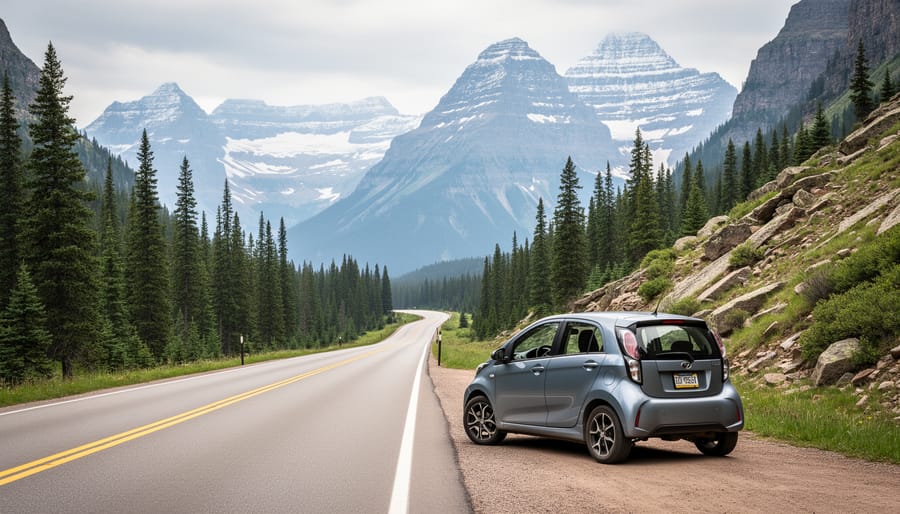
Planning a multi-park road trip from Colorado requires navigating two main systems: timed entry reservations at Rocky Mountain National Park and standard entrance passes for parks across the Southwest and West. Starting May 22, 2026, visitors to Rocky Mountain National Park must secure a timed entry reservation for access during peak hours, with two options available. The Timed Entry reservation grants access to most of the park (excluding Bear Lake Road) between 9 a.m. and 2 p.m., while Timed Entry + Bear Lake Road opens the popular corridor from 5 a.m. to 6 p.m. Beyond Rocky Mountain, most national parks require either a park-specific entrance fee, an annual pass for that location, or an America the Beautiful pass that covers all federal recreation sites.
Colorado’s central location makes it an ideal launching point for exploring some of the country’s most spectacular protected landscapes. Within a day’s drive, you can reach Mesa Verde, Arches, Canyonlands, Great Sand Dunes, and Black Canyon of the Gunnison. Push a bit further and Zion, Bryce Canyon, Grand Canyon, and Yellowstone become accessible for extended trips. But the logistics matter just as much as the destination list. Reservation windows fill quickly, permit requirements vary by park and activity, and understanding what you’ve secured versus what you still need to arrange can make or break your itinerary.
This guide walks you through the complete planning process: what qualifies you for entry, how to navigate reservation systems step by step, your rights and responsibilities once permits are secured, and where to find help when questions arise. Whether you’re a Colorado local eyeing a weekend escape or an out-of-state visitor using Denver as your hub, you’ll leave with a clear roadmap for turning that pin-covered map into an actual adventure.
What Is a U.S. National Parks Road Trip from Colorado?
A U.S. national parks road trip from Colorado is a strategic multi-park adventure that leverages the state’s central location to access some of North America’s most iconic protected landscapes within a single journey. Unlike a single-park visit where you settle into one destination, these road trips connect multiple parks across the American West, creating a narrative arc from Colorado’s high-alpine terrain through red rock deserts, deep canyons, and everything in between.
Colorado sits at the geographic crossroads of the West, placing you within a day’s drive of roughly a dozen major national parks and monuments. From Denver or Colorado Springs, you can reach Rocky Mountain National Park in under two hours, then extend your trip to Arches and Canyonlands in Utah, Great Sand Dunes closer to home, or venture to Mesa Verde’s ancient cliff dwellings. That central position means you’re not flying into a remote gateway and limiting yourself to what’s nearby, you’re starting from a hub that opens the entire region.
Most Colorado-based national parks road trips run seven to fourteen days, though ambitious travelers stretch them longer. A typical itinerary might include three to five parks, accounting for drive time, trail days, and the flexibility to linger where conditions are ideal. You’re not just checking boxes, you’re building in time for the best multi-day parks that reward deeper exploration.
The range of experiences defines these trips. You’ll start your morning watching elk graze in an alpine meadow at 11,000 feet, then camp three days later beside sandstone towers in the high desert. You’ll trade snowmelt streams for slot canyons, aspen groves for sagebrush flats. That ecological diversity keeps each park feeling distinct rather than repetitive, and Colorado’s varied terrain prepares you physically for whatever elevation or climate comes next.
Who Can Take a U.S. National Parks Road Trip and What You’ll Need
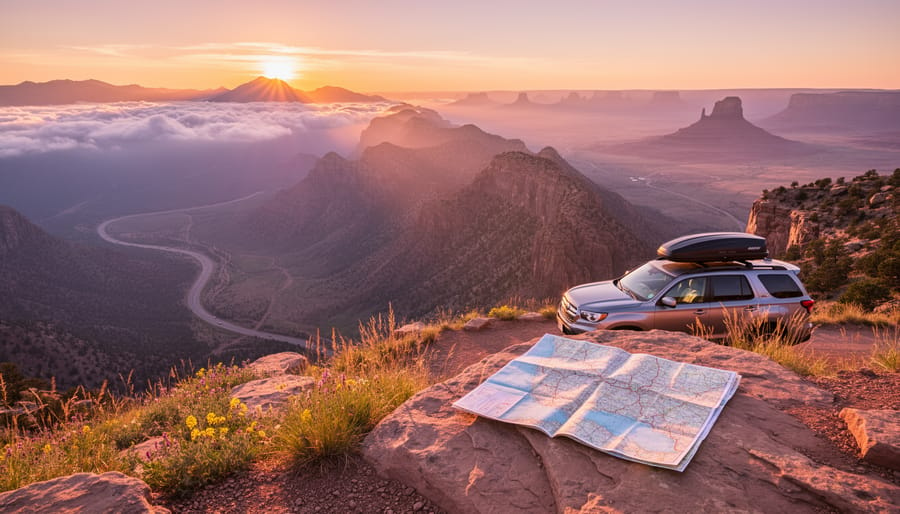
Anyone can plan a U.S. national parks road trip from Colorado, there are no citizenship requirements, background checks, or special qualifications to visit these public lands. Whether you’re a family looking for educational adventures, a solo traveler seeking solitude, or an adrenaline junkie chasing challenging trails, the national parks welcome you. What matters isn’t who you are, but what you bring and how you prepare.
Start with the basics: you’ll need a valid driver’s license (international visitors should carry both their home country license and an International Driving Permit), reliable transportation, and valid government-issued identification. A passport or state ID works for entry, though you won’t face border-style checkpoints. The real gatekeepers are reservations and passes, not credentials.
Your vehicle needs depend on your ambitions. Most park roads accommodate standard passenger cars, but if you’re towing a camper or planning backcountry access, check specific park restrictions on RV lengths and four-wheel-drive requirements. Winter trips demand snow tires or chains, especially when departing from Colorado’s high elevations.
Here’s what every national parks road tripper from Colorado must secure before departure:
- Valid driver’s license (International Driving Permit for foreign licenses)
- Reliable vehicle appropriate for your route and season
- Park entrance pass (standard fee, park-specific annual, or America the Beautiful)
- Timed entry reservations for Rocky Mountain National Park and other reservation-required parks
- Backcountry or camping permits if you plan overnight wilderness stays
- Physical readiness matching your intended activities and elevation changes
Physical fitness deserves honest assessment. You don’t need to be an athlete, but Colorado’s parks start at high altitude, and many destinations along your route involve elevation gains, steep trails, and thin air. Families with young children can absolutely enjoy these parks, paved viewpoints, short nature walks, and ranger programs cater to all ages and abilities. Solo travelers and adventure seekers tackling multi-day backpacking routes should train beforehand and understand their limits.
Special permits beyond basic entry come into play for specific activities: backcountry camping requires advance permits at most parks, fishing demands state licenses, and technical climbing may need registration. We’ll cover the reservation and permit process in detail in the next section, but know that planning ahead, sometimes months ahead for popular dates, separates successful trips from disappointing ones.
How to Secure Your Access: Reservations, Permits & Passes
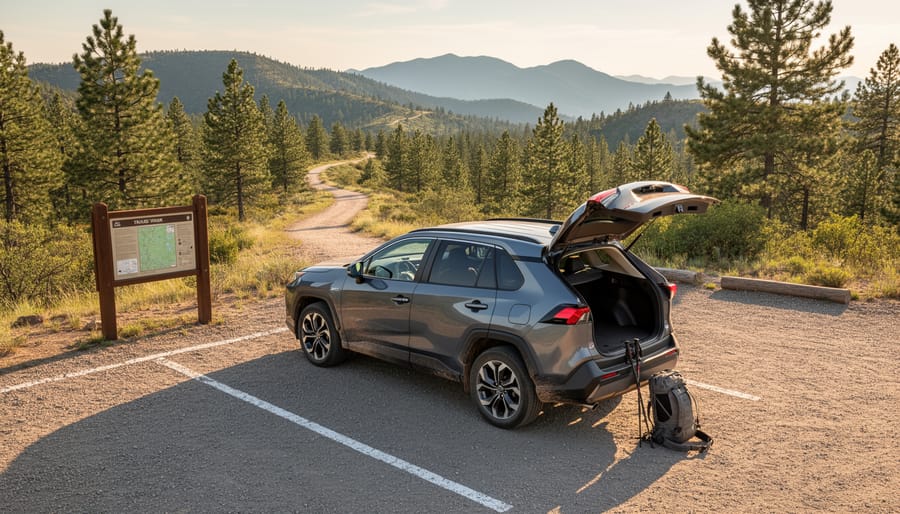
Understanding Timed Entry Reservations at Rocky Mountain National Park
Starting May 22, 2026, Rocky Mountain National Park requires a timed entry reservation to visit during peak hours through mid-October. This system manages visitor flow while protecting the park’s fragile ecosystems, and understanding it is essential before you head up from Denver or Fort Collins.
You’ll choose between two reservation types. The standard Timed Entry reservation grants access to the entire park except the Bear Lake Road Corridor, valid from 9 a.m. to 2 p.m. The Timed Entry + Bear Lake Road reservation includes that iconic corridor, home to trailheads for Dream Lake, Emerald Lake, and some of the park’s most photographed scenery, and covers a broader window from 5 a.m. to 6 p.m.
| Reservation Type | Areas Accessed | Time Window | Best For |
|---|---|---|---|
| Timed Entry | All park areas except Bear Lake Road Corridor | 9 a.m. to 2 p.m. | Hikers exploring Trail Ridge Road, Old Fall River Road, or western trailheads |
| Timed Entry + Bear Lake Road | Entire park including Bear Lake Road Corridor | 5 a.m. to 6 p.m. | Photographers chasing sunrise, families visiting popular lakes, anyone wanting flexibility |
Book your reservation through, where you’ll find detailed instructions on 2026 timed entry dates and times as the season approaches. Reservations typically open in blocks, some released months ahead, others closer to your visit date, so check the official schedule early.
Once you secure a reservation, you must enter the park during your designated window. You can stay as long as you want after entry, but if you leave and want to return the same day, you’ll need another reservation. Arrive prepared with your confirmation (printed or on your phone) and a valid photo ID that matches the name on the booking.
National Park Pass Options and Entrance Fees
Most NPS sites welcome you without charge, but entrance-fee parks require one of three options: a standard entrance pass, a park-specific annual pass, or the America the Beautiful annual pass.
The standard entrance pass costs $25, $35 per vehicle and grants seven consecutive days of access to one park. If you’re planning a quick weekend at a single destination, this works fine.
Park-specific annual passes run $40, $70 and cover unlimited visits to one park for twelve months from purchase. Rocky Mountain National Park’s annual pass costs $70. This makes sense if you’ll return to the same park multiple times from Colorado, or if you’re spending a full week exploring one location’s trails and backcountry.
The America the Beautiful pass costs $80 and unlocks every federal recreation site that charges entrance fees for a full year. That covers all NPS parks, national forests, wildlife refuges, and BLM lands. The math tips in your favor after visiting just three entrance-fee parks. For a Colorado-based road trip hitting Rocky Mountain, Arches, Canyonlands, and Mesa Verde, you’ll save $70, $100 compared to buying individual passes. Families traveling with kids under sixteen get even more value since children enter free with pass holders.
You can purchase any of these at park entrance stations, through the America the Beautiful acceptance website, or at many Colorado outdoor retailers. Buy ahead if you’re traveling during peak season to skip lines at entrance gates.
Additional Permits for Backcountry and Special Activities
Beyond entrance fees and timed entry, many activities in national parks along your Colorado route require additional permits. If you’re planning backcountry camping, you’ll need overnight permits from each park you visit, these often have quotas and fill up weeks or months in advance, so request them as soon as the park’s reservation window opens. Unlike standard camping reservations at developed campgrounds, backcountry permits typically involve submitting detailed itineraries through each park’s specific system.
Technical climbing permits are required at some parks for certain routes or areas. Check individual park websites for current requirements. If you plan to fish, you’ll need a valid Colorado state fishing license plus licenses for any other states you pass through, national park waters fall under state jurisdiction for licensing.
River permits for rafting or kayaking popular waterways can be extremely competitive and use lottery systems months ahead of your trip. Commercial activities like drone flying or professional photography shoots require separate special use permits with advance applications.
Start researching permit requirements at least three to six months before your departure. Each park manages its own system, so visiting multiple parks means navigating different applications, fees, and timelines.
Your Rights and Responsibilities as a National Park Visitor
Once you’ve secured your reservations and permits, you gain access to a wealth of resources designed to make your visit safe and memorable. Rangers are available throughout the parks to answer questions, provide trail conditions, and offer interpretive programs that deepen your understanding of these landscapes. You’re entitled to use designated facilities, visitor centers, restrooms, picnic areas, and marked trails, and to access emergency assistance if needed. Park staff genuinely want you to have a great experience, and they’re trained to help you navigate everything from wildlife encounters to sudden weather changes.
With those rights come real responsibilities that protect these places for the next wave of adventurers. Leave No Trace isn’t just a catchphrase, it means packing out every scrap of trash, staying on established trails to prevent erosion, and leaving rocks, plants, and artifacts exactly where you found them. Wildlife safety regulations exist because they work: store food properly, maintain the required distance from animals (25 yards for most wildlife, 100 yards for bears and mountain lions), and never feed animals, which disrupts their natural behavior and puts future visitors at risk.
Fire restrictions change based on conditions, so check current rules before your visit and follow them to the letter. Many Colorado-accessible parks enforce seasonal campfire bans when conditions turn dry. Respect quiet hours at campgrounds, yield to other hikers on trails, and if you’re visiting during timed entry periods, honor your reservation window, it’s not a suggestion.
Your choices ripple outward. When you follow the rules and treat these parks with care, you’re not just protecting scenery; you’re ensuring that families, solo travelers, and adventure seekers who come after you will find these places as stunning and accessible as you did. That’s the community responsibility that keeps America’s best national parks thriving for generations.
Strategic Route Planning from Colorado
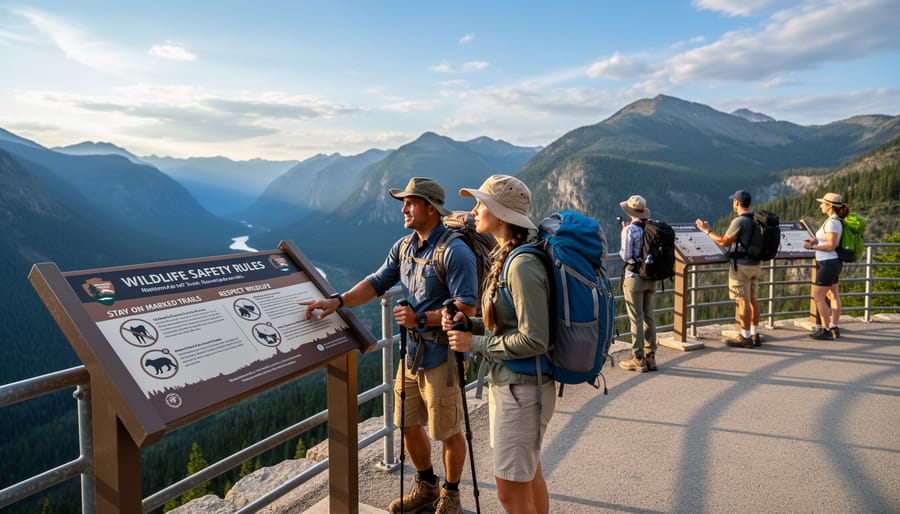
Planning a multi-park road trip from Colorado demands more strategic thinking than simply mapping the shortest distance between points. Colorado’s position in the Mountain West gives you access to an incredible range of parks, but the terrain, seasons, and distances between them require thoughtful sequencing to keep your adventure smooth rather than exhausting.
Start by choosing your anchor park based on when you’re traveling. If you’re visiting during the May-to-October window when Rocky Mountain National Park requires timed entry reservations, book those dates first and build your itinerary around them. From there, consider which parks make geographic sense as clusters: the Utah Mighty Five (Arches, Canyonlands, Capitol Reef, Bryce Canyon, Zion) forms a logical loop from western Colorado, while Mesa Verde and Great Sand Dunes sit within easy striking distance from the Front Range. Yellowstone and Grand Teton work well as a northern arc from northern Colorado.
Season shapes everything. High-elevation parks like Rocky Mountain may have snow-blocked roads through June, while desert parks in Utah and Arizona become brutally hot by mid-summer. Spring and fall offer the sweet spot for most routes, but you’ll need flexibility built into your schedule for weather delays. Check road status for mountain passes before you leave, especially if you plan road trips involving Trail Ridge Road or other high-altitude crossings.
When sequencing parks, these considerations matter most:
- Seasonal road closures at high elevations, particularly May through June and September through October
- Elevation acclimatization time, especially when moving between 10,000-foot passes and sea-level desert floors
- Fuel station spacing in remote areas where 100-mile gaps between gas pumps are common
- Cell service gaps that can last for hours, requiring downloaded maps and offline resources
- Weather contingency days built into your schedule for unexpected storms or road conditions
- Daily driving limits of four to five hours maximum to preserve energy for hiking and exploring
Group parks geographically rather than trying to zigzag across states. A loop through Utah’s parks from Grand Junction makes more sense than bouncing between Utah and Wyoming. Factor in at least two full days per major park, not counting driving time between them, so you actually experience each place rather than just photographing the entrance sign.
Colorado’s mountain roads teach you quickly about elevation changes and weather volatility. Apply those lessons, including dangerous road tips about sudden altitude shifts and afternoon thunderstorms, to your wider route planning. Check fuel levels obsessively in remote areas, carry extra water and food, and don’t push through exhaustion just to stick to an arbitrary schedule. The parks aren’t going anywhere.
Where to Get Help Planning Your National Parks Adventure
Planning a multi-park road trip requires juggling reservations, permits, and route logistics across several different systems. The good news? You don’t have to figure it all out alone. A combination of official resources and local Colorado expertise will help you build a trip that runs smoothly from start to finish.
Start with the official channels. The National Park Service website provides comprehensive information about each park’s facilities, regulations, and current conditions. For reservations, including the timed entry system at Rocky Mountain National Park beginning May 22, 2026, you’ll use, the centralized booking platform for federal recreation areas. Each individual park website offers detailed maps, alerts about road closures or wildlife activity, and specific guidance for that location’s unique requirements.
Colorado-based resources add the regional context you won’t find on national sites. State visitor centers in gateway cities like Grand Junction, Durango, and Colorado Springs employ staff who understand seasonal road conditions, elevation challenges, and how to sequence parks logically from a Colorado starting point. These centers stock current maps and can suggest lesser-known routes that save time.
Key resources for your planning:
– for official park information, regulations, and safety guidelines
– for timed entry reservations and campground bookings
– Individual park websites for real-time conditions and alerts
– Colorado Welcome Centers for regional route advice and printed maps
– Local Colorado travel communities and guest contributors who share recent road trip experiences
Ranger stations along your route offer last-minute help with weather updates, trail conditions, and permit questions. Don’t hesitate to call ahead if you’re uncertain about a requirement.
At Nomadic Adventures, we believe the best trip advice comes from travelers who’ve actually driven these routes. Our community contributors share firsthand insights about timing, hidden gems, and practical lessons learned on the road. Their stories complement official guidance with the kind of real-world detail that transforms a good trip into an unforgettable one.
How to Apply or Complete the Process
Start your planning process at, the official reservation platform for federal recreation sites. Create an account well before your trip, reservations for Rocky Mountain National Park’s timed entry system open in rolling windows, with high-demand dates filling within minutes of release. Set calendar reminders for reservation opening dates, typically available up to 180 days in advance.
Once logged in, search for Rocky Mountain National Park and select your visit date beginning May 22, 2026 or later during the timed entry season. Choose between the standard Timed Entry reservation (valid 9 a.m. to 2 p.m. for all areas except Bear Lake Road Corridor) or Timed Entry + Bear Lake Road (valid 5 a.m. to 6 p.m. for the entire park including Bear Lake Road). Book the option matching your planned activities and arrival time. Have your vehicle information and payment method ready, the system times out quickly during peak booking periods.
For other parks on your route, check each park’s website through to confirm whether they require advance reservations or permits. Some parks operate first-come, first-served for general entry but require permits for backcountry camping or climbing. Download confirmation emails and keep screenshots as backup, rangers at entrance stations will verify your reservation against your arrival window. If you’re heading to California parks like Sequoia, review Sequoia visitor tips for seasonal access requirements that differ from Rocky Mountain’s system.
Common Questions About U.S. National Parks Road Trips from Colorado
Planning a national parks road trip from Colorado raises practical questions that can make or break your adventure. Here’s what fellow travelers ask most often when they’re mapping out their journey.
What are timed entry reservations and which parks require them?
Timed entry reservations are scheduled time slots required to enter certain parks during peak periods. At Rocky Mountain National Park, these reservations are mandatory from May 22 through mid-October during specific hours, but most other parks don’t require advance reservations for standard day visits.
How many reservation options are available at Rocky Mountain National Park?
There are two reservation options: Timed Entry (which provides access to all areas except Bear Lake Road Corridor) and Timed Entry + Bear Lake Road. The Bear Lake option is required if you plan to visit that popular corridor between 5 a.m. and 6 p.m., while the rest of park requires reservations from 9 a.m. to 2 p.m.
Can I visit multiple parks with one pass?
Yes, the America the Beautiful annual pass covers entrance fees at all national parks that charge admission for an entire year. It’s the most cost-effective choice if you’re planning to visit three or more parks that charge entrance fees during your trip.
How far in advance should I plan my road trip?
Start planning at least three to six months ahead, especially if you’re traveling during summer or fall. Timed entry reservations at Rocky Mountain can fill quickly, and securing campground reservations at popular parks often requires booking months in advance through .
Weather considerations shape your road trip timeline more than you might expect. Late spring through early fall offers the most reliable access from Colorado, but summer brings crowds that make advance planning essential. If you prefer fewer people and don’t mind cooler temperatures, late September and early October deliver stunning fall colors without the peak season crush.
Budget questions come up frequently too. Beyond the entrance fees or annual pass, factor in fuel costs for substantial driving distances, potential overnight stays between parks, and any special activity permits. A week-long trip visiting three parks typically costs less in entrance fees with the America the Beautiful pass than buying individual park passes.
Families often wonder about physical requirements and accessibility. Most parks offer experiences for all fitness levels, from paved scenic drives to challenging backcountry trails. Rangers at each park can recommend age-appropriate activities and accessible facilities that match your group’s abilities. Don’t assume you need to be an extreme athlete to enjoy these places.
The logistics of securing reservations confuse many first-time planners. handles timed entry reservations, campground bookings, and many special permits through one central system. Create your account early, set reminders for reservation release dates, and have backup dates ready since popular slots disappear within minutes of becoming available.
Colorado’s position at the heart of the American West puts you within reach of some of the planet’s most spectacular protected landscapes. With proper planning around timed entry reservations, permits, and passes, the logistical hurdles melt away, leaving you free to focus on what matters: the sunrise over alpine meadows, the quiet of a canyon trail, the shared wonder when your kids spot their first bighorn sheep.
Starting May 22, 2026, securing your timed entry at Rocky Mountain National Park becomes your gateway to a broader adventure. From there, the open road connects you to landscapes that shift from snow-dusted peaks to red rock arches, high desert plateaus to ancient forests. The drive itself rewards you, windows down, mountain air streaming in, each mile revealing a new vista that reminds you why you started planning this trip in the first place.
These parks rank among the world’s finest not because of clever marketing, but because they preserve something irreplaceable. Your role as a visitor carries weight. Respect those timed windows. Follow Leave No Trace principles. Give wildlife their space. These simple acts protect what you came to experience and ensure others can discover the same magic.
We’d love to hear how your road trip unfolds. Share your stories, route insights, and hard-won tips with the Nomadic Adventures community. Every traveler who’s navigated these roads adds another perspective, and your experience might be exactly what inspires someone else to finally make the trip.