
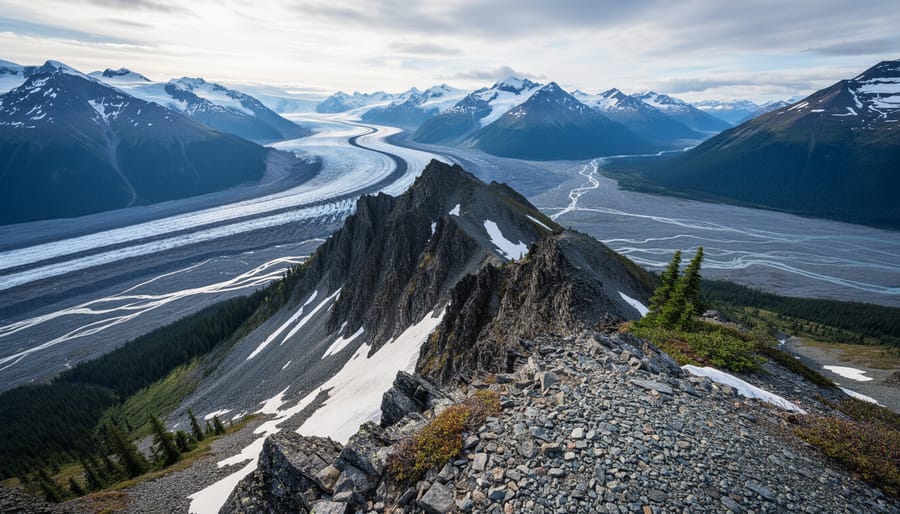
Kluane National Park and Reserve is a 22,000-square-kilometer UNESCO World Heritage Site in Canada’s Yukon Territory, home to 17 of Canada’s 20 highest peaks, the world’s largest non-polar ice fields, and a wilderness so vast that it redefines what adventure travelers think is possible in North America. If you’re searching for world-class mountaineering, backcountry hiking that stretches beyond the horizon, or the kind of raw, untouched landscape where grizzly bears outnumber people by considerable margins, this park delivers on a scale that few places on the continent can match.
The park sits along the Alaska Highway, roughly 100 miles west of Whitehorse, making it surprisingly accessible for those willing to make the journey north. What sets Kluane apart isn’t just its sheer size or its collection of towering peaks like Mount Logan, Canada’s highest at 19,551 feet. It’s the sense of stepping into a landscape that operates on geological time, where glaciers carve valleys in real time and wildlife corridors remain unbroken by human infrastructure.
Starting April 1st, all overnight backcountry trips require registration, though the process remains straightforward and designed to keep track of adventurers venturing into one of the most remote wilderness areas accessible by road. Between April 1 and May 15, and again from September 22 to November 15, you’ll also need to pay fees for overnight trips, reflecting peak seasons when the park opens fully to backcountry exploration. The registration helps park staff understand who’s out there, but you’re no longer required to de-register when you return, streamlining the process for travelers.
What Makes Kluane National Park and Reserve Special
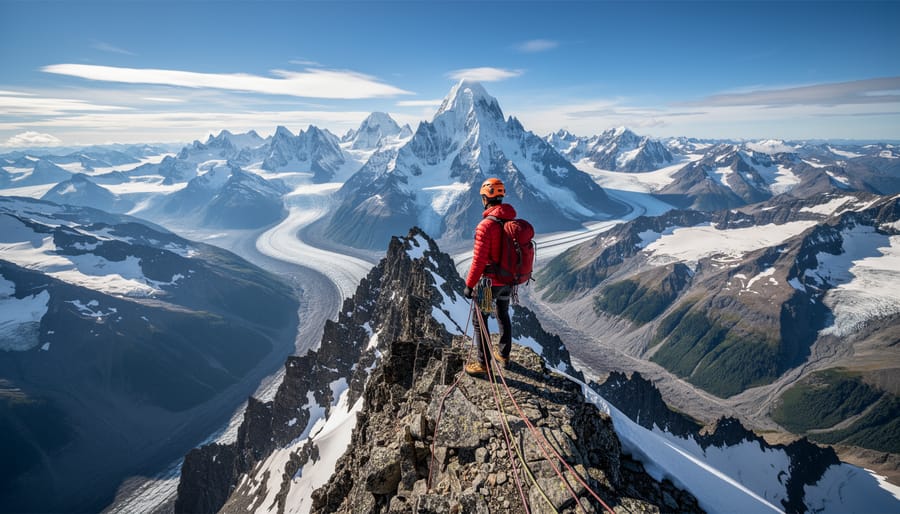
Kluane National Park and Reserve earns its reputation through sheer scale and untouched wilderness that few places on Earth can match. Covering 22,000 square kilometers in Canada’s Yukon Territory, the park protects the world’s largest non-polar icefields and a landscape so pristine it earned UNESCO World Heritage Site designation in 1979. This isn’t a park with visitor centers at every turn, it’s raw backcountry where you can stand beneath mountains that scrape the sky and hear nothing but wind across ancient ice.
The numbers tell part of the story. Mount Logan, Canada’s tallest peak, dominates a skyline crowded with 17 of the country’s 20 highest summits. Massive glaciers flow between these peaks, feeding icefields so vast they’re visible from space. But what really sets Kluane apart is the challenge it presents. This is technical terrain that demands real skill, no casual stroll to a scenic overlook will get you into the heart of this place.
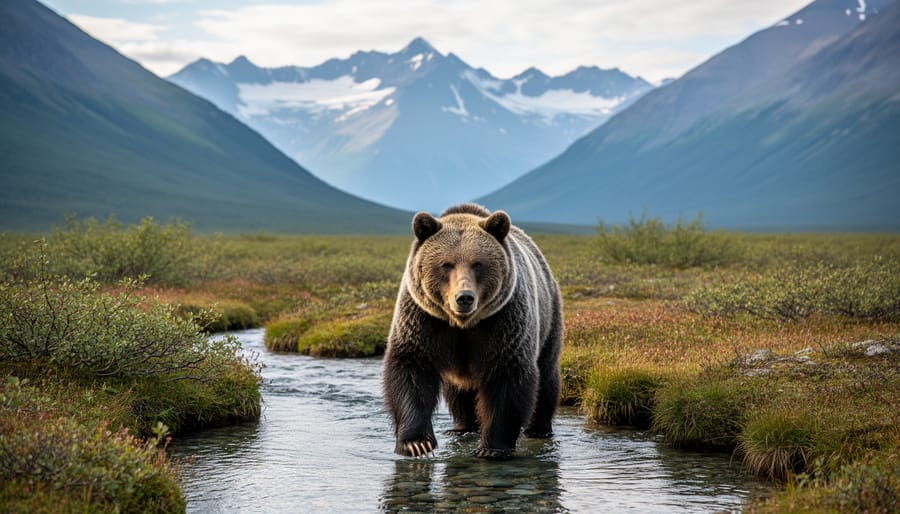
The park’s ecosystems shift dramatically from valley to summit. Grizzly bears roam lower elevations alongside caribou and moose, while Dall sheep navigate steep alpine slopes above the tree line. Golden eagles ride thermals over ridgelines where stunted spruce give way to tundra. You might hike through boreal forest in the morning and cross barren glacial moraines by afternoon, the landscape changing with every thousand feet of elevation gain.
Mountaineers know Kluane as one of North America’s premier alpine destinations. The routes here aren’t forgiving, weather swings fast, crevasses hide beneath fresh snow, and rescue is measured in days, not hours. That’s precisely the draw for climbers who’ve ticked off easier objectives and want something that’ll test everything they’ve learned. The wilderness doesn’t accommodate visitors; you adapt to it or you don’t go.
Where Kluane Is Located and How to Get There
Kluane National Park sits in Canada’s Yukon Territory, tucked against the Alaska border in the country’s remote northwest corner. The park entrance is roughly a 40-hour drive from Denver, about 2,500 miles through British Columbia and the Yukon, making this a serious expedition rather than a weekend getaway.
Most visitors fly into Whitehorse, the Yukon’s capital and the nearest major airport. From there, it’s a 90-mile drive west along the Alaska Highway to reach Haines Junction, the park’s main gateway community. The highway passes directly along the park’s eastern boundary, with pullouts offering your first views of the snow-capped St. Elias Mountains. Destruction Bay, another small community 65 miles northwest of Haines Junction, provides additional access points.
Flying into Whitehorse means connecting through Vancouver, Calgary, or another Canadian hub. Rental cars are available at the airport, and road trip planning for the Alaska Highway drive requires accounting for remote stretches between services. Fuel up before leaving Whitehorse.
Driving from southern locations, Colorado included, means committing to a multi-day journey along the Alaska Highway. The route crosses into Canada at the Montana or British Columbia border, then continues north through Prince George and Dawson Creek before entering the Yukon. Basic driving safety tips apply here: wildlife on highways, limited cell service, and long distances between fuel stops make preparation essential.
The park’s remoteness is part of its appeal but demands realistic expectations. This isn’t a quick side trip. Budget travel time accordingly, whether you’re flying in for a week-long expedition or building Kluane into a broader northern adventure.
Planning Your Visit: Permits, Registration, and Backcountry Requirements
If you’re planning an overnight backcountry trip in Kluane, understanding the registration system is essential. Starting April 1st each year, all overnight backcountry visitors must register before heading into the wilderness, this requirement applies whether you’re embarking on a technical mountaineering expedition or a multi-day backpacking route through the park’s remote valleys.
The registration system operates on specific seasonal windows tied to when most visitors tackle the backcountry. From April 1 to May 15 and again from September 22 to November 15, you’ll need to complete registration windows and self-registration online and pay the required fees. These windows capture the majority of the park’s backcountry season while accommodating both early-season mountaineers and those planning autumn trips when the tundra turns crimson and gold.
Outside these designated windows, the registration process becomes more flexible. You can register in person at park offices or visitor centers closer to your trip date, though it’s still wise to plan ahead since staff availability and office hours can vary in this remote region.
One significant change simplifies your post-trip logistics: de-registration is no longer required. You don’t need to check out with park staff when you return from the backcountry. This eliminates the old requirement to confirm your safe return, though you should still carry emergency communication devices and file trip plans with someone outside the park as standard wilderness safety practice.
Day hikers on established trails don’t need to register, but the moment you plan to spend a night in Kluane’s backcountry, whether in a designated camping area or a remote alpine basin, registration becomes mandatory. This system helps Parks Canada manage wilderness use, coordinate emergency response if needed, and maintain the ecological integrity of this UNESCO World Heritage Site.
Start your registration well before your planned departure date, especially if you’re visiting during peak summer months when mountaineering expeditions converge on the park’s legendary peaks.
Top Activities and Experiences in Kluane
Mountaineering and Technical Climbing
Kluane draws mountaineers from around the globe because it offers serious alpine terrain on a breathtaking scale. With 17 of Canada’s 20 highest peaks concentrated here, including Mount Logan, the country’s tallest at 5,959 meters, this is genuine expedition territory, not weekend climbing. The icefields, glaciated approaches, unpredictable weather, and sheer remoteness demand technical climbing skills, extensive mountaineering experience, and self-sufficient expedition planning.
Most climbing parties spend weeks in the field, establishing camps on glaciers and navigating crevassed routes to summit attempts. You’ll need technical glacier travel skills, high-altitude experience, and the ability to manage logistics in areas with zero infrastructure. This isn’t beginner terrain; even experienced alpinists typically hire guides or join organized expeditions for their first Kluane climb. For those ready to tackle it, though, Kluane ranks among the best adventure parks for pushing your mountaineering limits in a true wilderness setting.
Backcountry Hiking and Wilderness Trips
Kluane’s backcountry routes take you deep into genuine wilderness where you won’t see another soul for days. Multi-day trips here mean crossing glacial rivers, navigating trackless valleys, and dealing with weather that can shift from sun to snow in hours. The terrain is unforgiving, loose scree, dense brush, unmarked routes, and remoteness is real. You’re days from help if something goes wrong.
Routes like the Slims River West or Donjek traverse demand solid navigation skills, river-crossing experience, and the ability to problem-solve when conditions change your plan. You’ll carry everything on your back for five to ten days, including bear canisters and enough food to account for weather delays.
This isn’t groomed-trail backpacking. The park expects you to be self-sufficient: bring maps and compass (GPS as backup), know how to read terrain, and have wilderness first aid skills. You’re responsible for your own route-finding, water treatment, and bear safety. If you’ve only hiked maintained trails, start smaller and build your skills before committing to a weeklong Kluane trip.
Accessible Day Hikes and Flightseeing
Not every visitor arrives ready for multi-day expeditions. Kluane offers several day hikes near the Alaska Highway that let you sample the landscape without technical skills or backcountry permits. The King’s Throne trail climbs steeply to a ridgeline overlooking Kathleen Lake, rewarding hikers with sweeping views across turquoise water and peaks. Shorter options like the Rock Glacier trail and Auriol trail provide gentler introductions to the terrain and chances to spot wildlife.
Flightseeing trips launch from nearby communities and offer an entirely different perspective, soaring over the St. Elias icefields and circling peaks that would take weeks to reach on foot. These flights compress the park’s massive scale into an hour-long experience, revealing glaciers, crevasses, and mountain faces inaccessible by any other means for most visitors.
When to Visit Kluane National Park
The park’s prime season runs from June through August when trails are most accessible and weather is relatively stable. Summer brings continuous daylight, temperatures reaching the 60s Fahrenheit, and conditions suitable for both mountaineering expeditions and backcountry hiking. This is when you’ll find the most favorable weather for technical climbs and multi-day wilderness trips, though even summer conditions can be unpredictable in this subarctic environment.
Shoulder seasons offer quieter experiences with distinct trade-offs. Late May and early September can provide excellent conditions for experienced visitors who are prepared for variable weather and limited services. The September window coincides with fall colors and reduced crowds, but snow can appear at higher elevations. The mandatory registration windows (April 1-May 15 and September 22-November 15) frame these shoulder periods, reflecting when the park manages backcountry access most closely as conditions transition.
Winter transforms Kluane into an extreme environment suitable only for highly specialized expeditions. Deep cold, shortened daylight, and avalanche hazards make winter travel the domain of experienced mountaineers with proper cold-weather skills. Most facilities close, and access becomes severely limited.
If you’re planning a mountaineering expedition, book your window for late June through early August when weather patterns are most stable. For backcountry hiking, July offers the warmest conditions and lowest river crossings. Keep in mind that even at peak season, you’ll need to be self-sufficient and prepared for rapid weather changes, this isn’t recreational infrastructure like you might find in more developed parks, but genuine wilderness where conditions dictate your plans more than the calendar does.
What to Know Before You Go
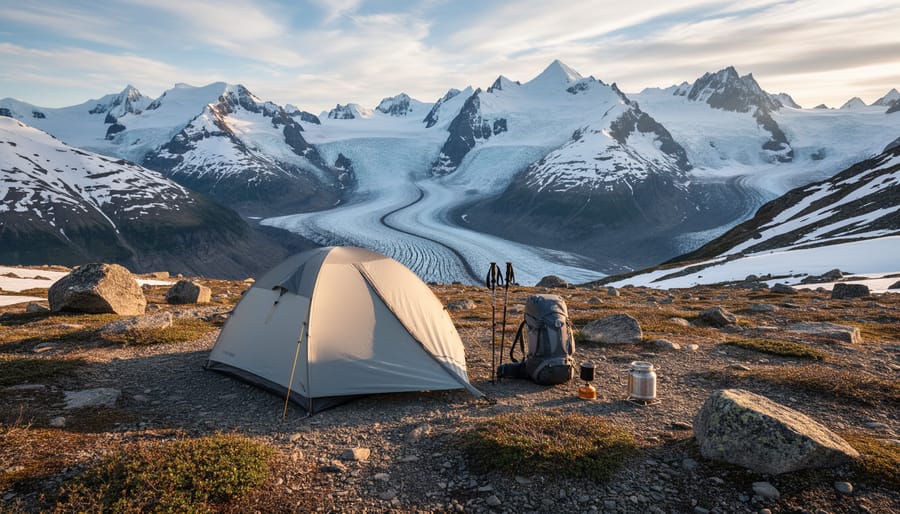
Kluane demands genuine wilderness skills and thorough preparation. This isn’t a park where rangers patrol trails or cell towers provide safety nets, you’re entering remote backcountry where self-sufficiency isn’t optional. If you lack navigation experience, wilderness first aid training, or comfort managing extended trips without resupply, build those skills elsewhere before attempting overnight excursions here.
Bear safety requires constant vigilance. Both grizzlies and black bears inhabit the park, and encounters are common in prime habitat. Carry bear spray, store food properly using bear canisters or hang bags, cook away from your tent site, and make noise on trails. Review proper response protocols for different bear behaviors before your trip, knowing whether to stand your ground or back away slowly can make the difference in a close encounter.
Weather shifts violently and without warning. Summer days might start sunny and deteriorate into freezing rain, high winds, or snow within hours. Pack layers for all conditions, bring waterproof gear that actually works, and plan extra food and fuel for weather delays. Mountain weather is particularly unpredictable, storms can trap climbers for days.
Communication goes dark once you leave trailheads. Cell service doesn’t exist in the backcountry, and satellite communicators or personal locator beacons become your only emergency link. Invest in reliable devices and test them before departure. Leave detailed trip plans with Parks Canada and someone at home, including expected return dates and alternate routes.
Match your ambitions to your abilities honestly. Technical routes require mountaineering experience, proper gear, and glacier travel skills. Even non-technical backcountry trips demand strong fitness, navigation competence, and comfort with river crossings. If your camping setup tips come from car camping guidebooks, you’re not ready for Kluane’s wilderness.
Frequently Asked Questions About Kluane National Park
Do I need a permit for day hiking in Kluane?
Day hiking doesn’t require a permit or registration. The mandatory registration starting April 1st applies only to overnight backcountry trips.
What’s the best time to visit for mountaineering?
Late spring through summer (June to August) offers the most stable weather windows for technical climbing. Winter conditions persist at higher elevations well into June, and storms can move in quickly even during prime season.
Can I camp anywhere in the backcountry?
Yes, backcountry camping is allowed throughout most of the park once you’ve completed the required registration for overnight trips. Choose resilient surfaces and follow Leave No Trace principles in this pristine wilderness.
Is Kluane suitable for families with children?
The park offers accessible day hikes and flightseeing options that work well for families, but most of the park’s terrain demands serious wilderness skills. Stick to maintained trails near access points if you’re traveling with young children.
Remember that self-registration and fees are required from April 1 to May 15 and September 22 to November 15 for any overnight stay in the backcountry. The good news is you no longer need to de-register when you return, simplifying the process considerably.
Wildlife encounters are common throughout the park. You’re likely to spot Dall sheep on rocky slopes, grizzly bears in valley bottoms (especially during berry season), and possibly caribou in higher elevations. Proper bear safety protocols aren’t optional here, they’re essential survival skills. Carry bear spray, know how to use it, and store food correctly.
Trail difficulty varies dramatically. The handful of maintained trails near park access points range from easy to moderate, but anything beyond these developed paths enters true wilderness territory requiring navigation skills, self-rescue capability, and experience managing unpredictable conditions. The seventeen towering peaks that draw mountaineers to Kluane aren’t weekend projects, they demand technical expertise and expedition-level preparation.