
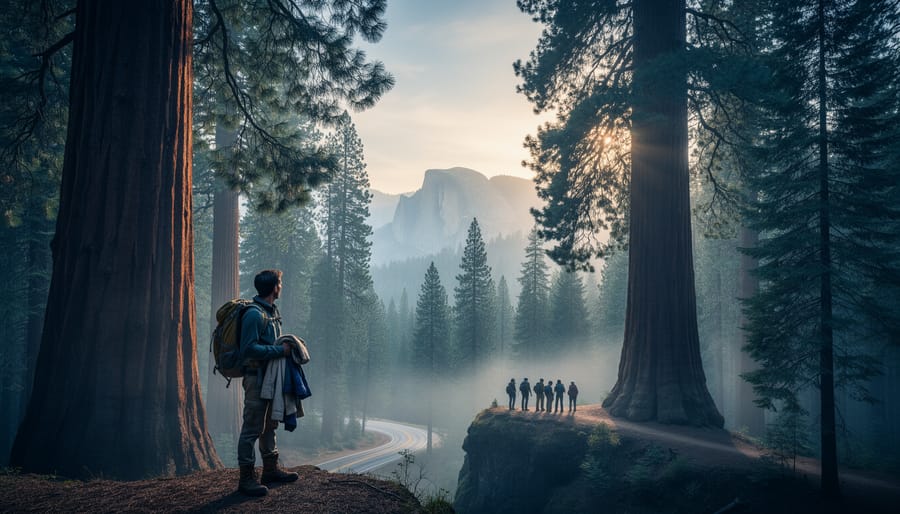
Planning a trip to Sequoia National Park in 2026 means getting ahead of three critical challenges: securing campground reservations during peak season, packing for dramatic temperature swings, and navigating unpredictable road conditions that can shut down access with little warning. Most visitors underestimate how quickly summer campsites fill or how cold those towering sequoia groves stay even in July, leading to scrambled backup plans and uncomfortable days on the trail.
This guide delivers eight battle-tested strategies that address the park’s specific quirks, from understanding chain requirements that can pop up any time of year to choosing the right base camp among fourteen campgrounds (only two stay open year-round). You’ll learn exactly what layers to throw in your pack for those 40-degree morning starts that climb to 80 by noon, how the reservation-only system really works across summer months, and which visitor centers provide the real-time intel you need before committing to a route.
Whether you’re hauling a family to see General Sherman for the first time or chasing solitude in the high country, these practical tips cut through the noise. We’ve pulled insights from seasoned park visitors and locals who’ve learned the hard way, so you can skip the rookie mistakes and spend more time standing beneath trees that were ancient when Columbus sailed. The park’s beauty is guaranteed. Getting there smoothly and comfortably just takes a little insider knowledge.
How We Chose These Essential Tips
We built this list by zeroing in on the friction points that trip up first-time Sequoia visitors most often. After reviewing official park service guidance and tapping into traveler community experiences, including insights from Colorado adventurers who’ve made the trek, we focused on eight recurring pain points: last-minute reservation headaches, weather-related packing blunders, surprise chain requirements that strand unprepared drivers, and seasonal road closures that can derail entire itineraries.
These tips address the practical challenges that cause real stress, not just nice-to-know trivia. From understanding the fourteen campground options and their capacity limits to mastering campground setup tips that apply across national parks, each recommendation solves a specific problem you’re likely to face. We skipped generic advice and concentrated on the intel that keeps your trip running smoothly when conditions change fast.
1. Reserve Your Campsite Early, Summer Fills Fast
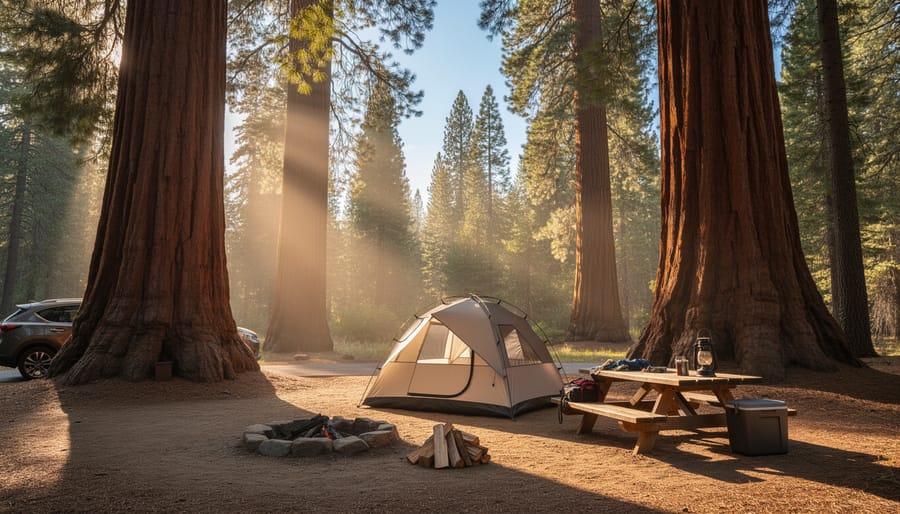
If you want a guaranteed spot under the giant sequoias during summer, you’ll need to move faster than the tourist crowds. Most of Sequoia’s fourteen campgrounds operate strictly by reservation once summer hits, and the first-come windows disappear faster than morning mist in the groves. Families, adventurers, and road-trippers from Colorado to California compete for the same limited sites, so waiting until a week or two before your trip practically ensures you’ll be sleeping in your car or scrambling for pricey last-minute lodging in Three Rivers.
Head to the moment reservations open for your target dates. Each campsite accommodates up to six people, making them ideal for small groups or families traveling together. Lodgepole Campground, the park’s largest, books out months ahead thanks to its central location and proximity to popular trails. Savvy visitors know that Potwisha and Buckeye Flat, tucked at lower elevations near the Foothills entrance, often have better availability and deliver a quieter, more intimate experience, though you’ll trade elevation for heat during July and August.
Local travelers share that Dorst Creek Campground offers a sweet middle ground: less frenzied than Lodgepole but still convenient to the Giant Forest. If you’re flexible on dates or willing to monitor cancellations, you can sometimes snag a site that someone else released, but building your entire trip around that gamble rarely ends well. Book early, lock in your spot, and spend your energy planning which groves to explore instead of hunting for a place to sleep.
2. Pack Layers for Wild Temperature Swings
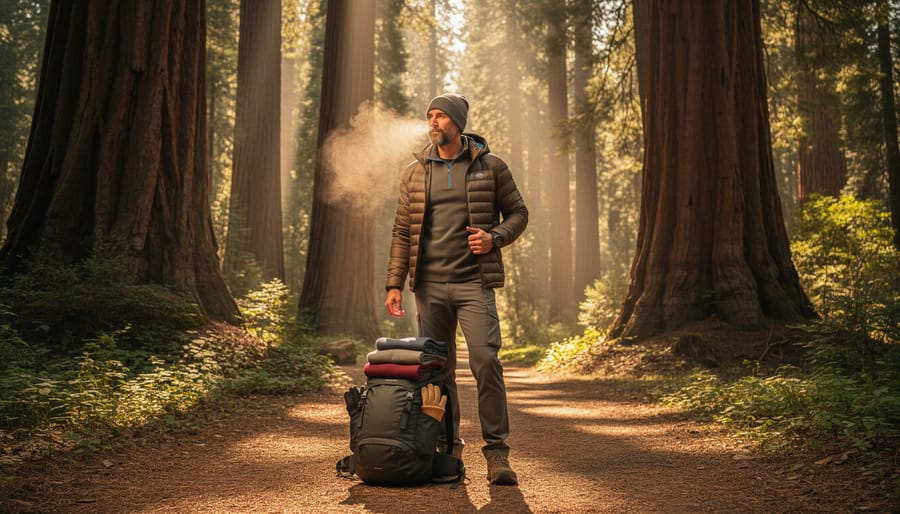
Mornings in the sequoia groves often start in the mid-40s even during peak summer, then soar to the 70s or low 80s by noon, a swing that catches unprepared visitors off guard. You’ll shed your fleece while hiking uphill in full sun, then scramble to pull it back on when you step into the cool shade of a towering grove or when evening temperatures drop quickly after sunset. Unlike dangerous mountain roads where you plan for one set of conditions, Sequoia’s microclimates demand flexibility throughout a single day.
Pack your clothing like a layering system, not a single outfit. Start with moisture-wicking base layers for morning hikes, add a fleece or lightweight puffy jacket you can stuff in your daypack, and always carry sun protection for exposed midday hours. Essential items include:
- Moisture-wicking base layer or t-shirt for warm daytime hiking
- Fleece or packable down jacket for cool mornings and evenings
- Sun hat and sunscreen for midday grove walks
- Long pants or zip-off hiking pants for variable conditions
- Warm beanie or hat for chilly nighttime campfire sessions
One visitor described it perfectly: “I went from sweating in a t-shirt at the General Sherman Tree to shivering in my car an hour after sunset, all on the same July day.” That temperature arc is typical, not exceptional. Bring more layers than you think you’ll need, and you’ll adjust comfortably instead of suffering through extremes.
3. Carry Tire Chains Year-Round (Yes, Even Summer)
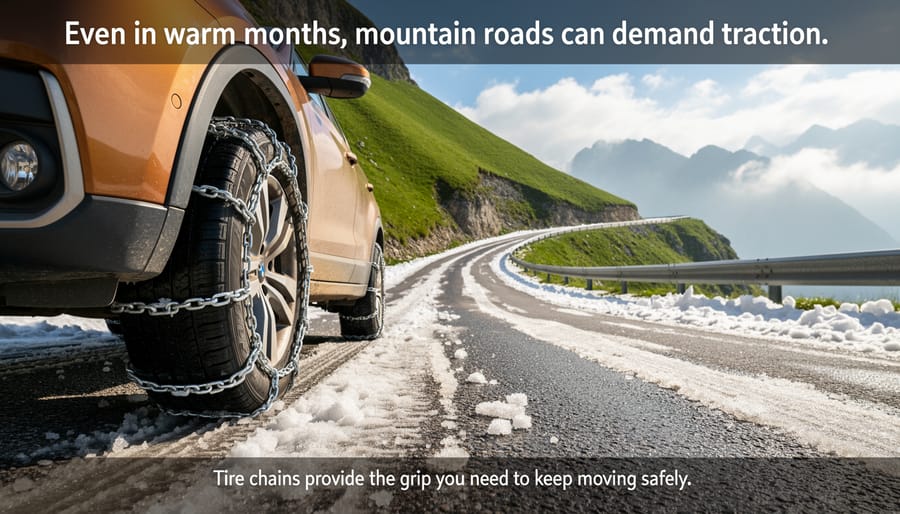
Most Colorado drivers know snow tires and chains belong in the trunk from November through April. Sequoia National Park operates on a different calendar. Here, chains can be required at any time, including bright summer mornings, because elevation and microclimate don’t respect seasonal expectations. Park roads climb through zones where a July afternoon thunderstorm drops the temperature 30 degrees in minutes, turning wet pavement into black ice by nightfall.
The park service doesn’t issue chain requirements to inconvenience you. They’re enforcing safety standards on narrow, winding roads with steep drop-offs and no shoulders. Vehicles without proper snow traction devices will be turned away from certain roads or denied park entry altogether, which means driving two hours back to Three Rivers to buy chains at inflated prices or scrapping your itinerary entirely.
Skip that frustration. Purchase chains before you leave home or rent them in Visalia or Fresno, where selection is better and staff can walk you through proper installation. Spend 20 minutes in a parking lot practicing installation now rather than fumbling with frozen metal on a mountain roadside later. Keep chains accessible in your vehicle, not buried under camping gear in a rooftop carrier. The ranger checking vehicles at the Ash Mountain entrance won’t wait while you unpack.
4. Plan Around Seasonal Road Closures

Sequoia’s mountain roads don’t follow a calendar, they follow the weather. A road that’s accessible in late April one year might stay buried under snowpack until June the next. This unpredictability means you can’t rely on “typical” opening dates when planning your trip, especially during spring and fall shoulder seasons.
The park service posts real-time road status updates on their website and social media channels, but conditions can shift within hours during storm events. Before finalizing your lodging reservations or locking in travel dates, check the official park alerts at least 72 hours before departure, then again the morning you leave. Those entrance stations and visitor centers we mentioned earlier? They’re your frontline source for what’s actually passable right now versus what the website said three days ago.
Road closures don’t just inconvenience, they can block access to iconic destinations entirely. Moro Rock and Crescent Meadow Road, for instance, typically closes from late fall through late spring, cutting off two of Sequoia’s most photographed spots. When that route’s shut down, you’ll miss the 400-step granite dome climb and those cathedral-quiet meadow walks unless you’re willing to hike several extra miles from alternate trailheads.
Build flexibility into your itinerary. Have backup plans for closed roads, and consider extending your trip by a day so weather delays don’t steal your only shot at the Giant Forest.
5. Consider Lodge Stays for Hassle-Free Base Camps
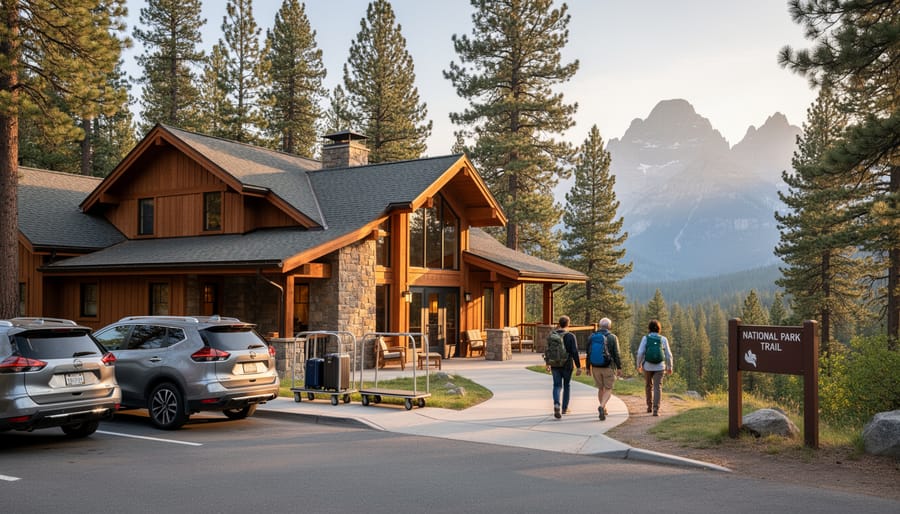
Not everyone wants to wrestle with tent poles after a long day on the trails. Lodge stays inside the park offer a comfortable middle ground between roughing it and commuting from distant towns. Kings Canyon Lodging operates several in-park options, including Grant Grove Cabins and Cedar Grove Lodge, typically open from May through mid-October depending on snow conditions and road access. These properties put you steps from trailheads without the gear hassle.
The trade-offs are clear. Lodges deliver hot showers, real beds, and on-site dining, luxuries that matter when you’re sore from hiking Giant Forest. You skip the campsite reservation scramble and don’t need to haul camping equipment. The downside? Higher cost and less flexibility than pitching a tent wherever your site allows. Campgrounds accommodate up to six people per site for a fraction of lodge rates, making them the budget winner for families and groups willing to cook their own meals.
Seasonal operation windows can shift year to year, so verify current lodge availability before booking. Some travelers appreciate waking up in a cabin and driving to sunrise viewpoints without breaking down camp. Others prefer campfire immersion and the satisfaction of self-sufficient backcountry living. Your choice depends on what kind of adventure recharges you. Either way, staying inside park boundaries means you’re already there when golden hour light hits the sequoias.
6. Budget for Campground Fees by Site Type
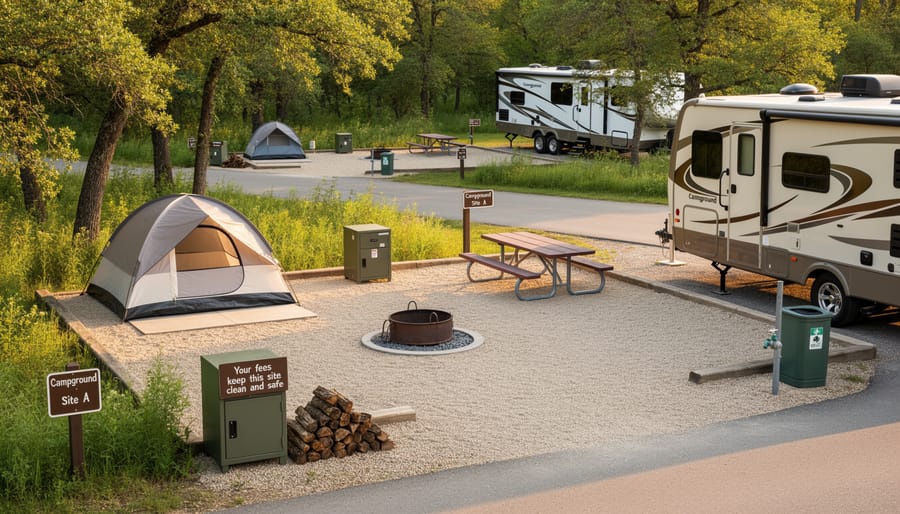
Campground fees at Sequoia vary by site type, and understanding the tiers helps you budget appropriately while choosing the best fit for your travel style. Standard campsites, which accommodate up to six people and typically include a picnic table, fire ring, and parking spur, run the most affordable rate. These work well for couples, small families, or friends sharing a single vehicle.
Stock sites, designed for visitors traveling with horses or pack animals, come at a premium due to specialized facilities like corrals and stock-friendly terrain. Unless you’re planning a backcountry pack trip with livestock, you can skip this category.
Group sites accommodate larger parties, usually 15 to 40 people depending on the specific campground, and carry higher fees that reflect their expanded capacity and amenities. These shine for family reunions, scout troops, or multi-family Colorado crew road trips looking to explore giant sequoias together.
Every dollar you pay at the campground entrance directly supports trail maintenance, restroom upkeep, bear-proof food locker installation, and ranger programs that keep Sequoia accessible and safe. When you reserve through, you’ll see the nightly rate clearly listed for your chosen site type. Budget accordingly, and remember that investing in the right site category prevents overcrowding headaches and ensures everyone in your party has space to enjoy the adventure.
7. Visit Entrance Stations First for Real-Time Conditions
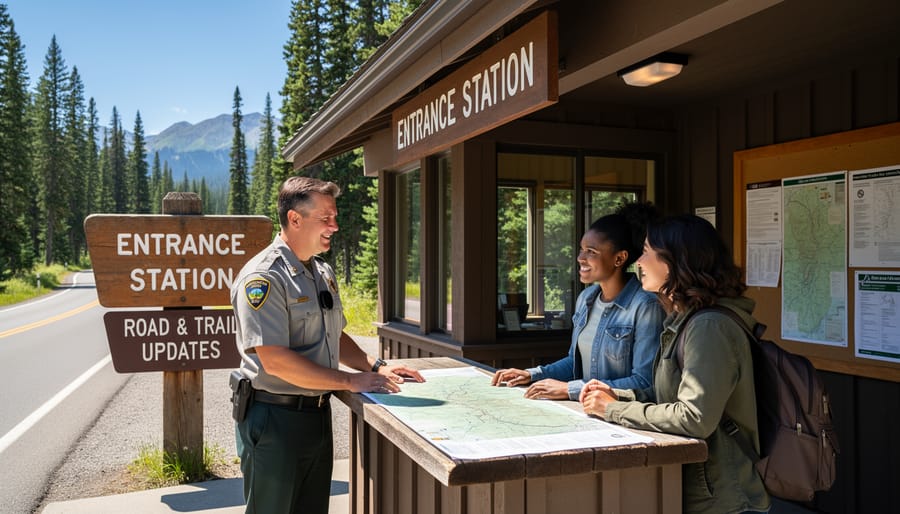
Think of your entrance station stop as a mandatory pre-flight check, not an optional detour. Rangers stationed at these gates see real-time conditions unfolding across the park, fresh rockfall blocking a trail, chain requirements suddenly enforced on Generals Highway, unexpected weather systems rolling in, and they’ll reroute your day before you waste hours driving toward a closed road or sketchy conditions.
Visitor centers take this intel even further. Staff post updated closure maps, current chain requirements for specific road segments, and bear activity alerts you won’t find on any website until hours later. That five-minute conversation saves the frustration of discovering your planned hike is inaccessible or that you need chains you don’t have.
This habit pays off across national park road trips from Colorado to California. Conditions shift fast in mountain environments, and entrance staff hold the ground truth. Grab a paper map, ask about trail conditions for your fitness level, and confirm lodging access if you’re staying deep in the park. Adjust your itinerary on the spot rather than halfway up a closed road. That flexibility turns potential setbacks into detours toward more national parks experiences you hadn’t planned but won’t regret.
8. Treat Sequoia & Kings Canyon as a Two-Park Adventure
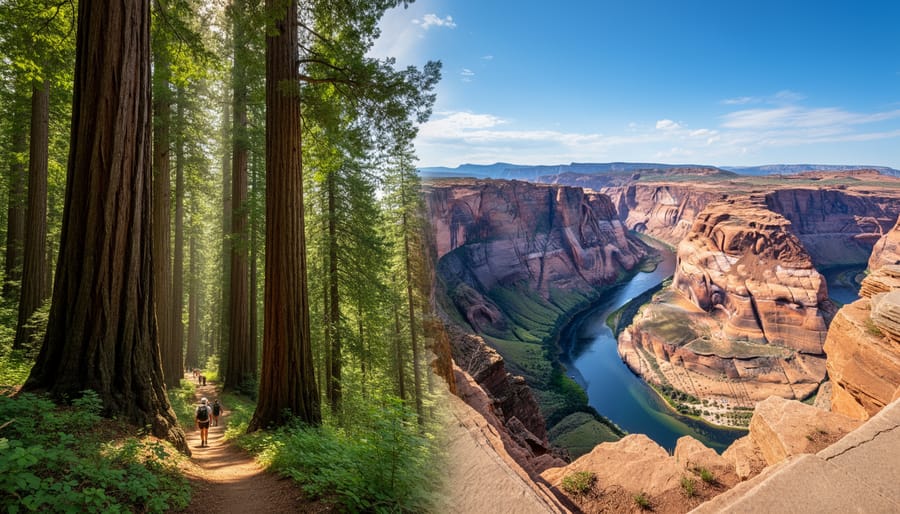
Most visitors don’t realize Sequoia and Kings Canyon operate as a single connected park system with one entrance fee and a continuous network of roads. You’re not choosing between two parks, you’re exploring complementary halves of the same Sierra Nevada ecosystem. The smart move is treating your visit as a multi-day loop that captures both the giant forest groves and the high-country wilderness.
Start in Sequoia to experience the General Sherman Tree and the dense sequoia groves along the Giant Forest trails. Spend your first full day among the massive trees, then drive north through the parks on Generals Highway, which connects the two units in about an hour during open season. Kings Canyon delivers a completely different landscape: dramatic granite canyons, river corridors, and backcountry access that feels wilder and less crowded than Sequoia’s showcase groves.
A three-day itinerary works well. Day one: explore Giant Forest and Moro Rock. Day two: drive to Kings Canyon, descend into the canyon along Highway 180, and hike Zumwalt Meadow or Mist Falls. Day three: venture into Cedar Grove or tackle backcountry trails if you’re equipped for wilderness camping.
Since both parks share the same reservation system and campground booking through, you can base camp at one location and day-trip to the other, or book sites in both sections to minimize drive time and maximize trail access.
Frequently Asked Questions
Do I need a reservation to enter Sequoia National Park?
No reservation is required for park entry, but if you plan to camp during the summer season, you’ll need a campsite reservation through, as most campgrounds operate by reservation only during peak months.
Can I visit Sequoia in winter?
Yes, the park remains open year-round, with two campgrounds operating through all four seasons. However, tire chains may be required at any time due to snow and ice, and some roads close seasonally, so check current conditions with park staff before your visit.
What’s the best time to visit to avoid crowds?
Shoulder seasons in late spring and early fall typically see fewer visitors than summer peak season, though you’ll need to verify road access status before traveling since seasonal opening and closing dates vary year to year and aren’t predictable.
Are pets allowed on trails in Sequoia?
Pets are generally not permitted on park trails to protect wildlife and preserve the natural environment. Check with entrance stations for specific pet policies and designated areas where leashed pets are allowed, such as developed areas and paved paths.
These questions come up constantly in traveler forums and visitor center inquiries, so getting clear answers before you arrive saves frustration on the ground. The park service staff at entrance stations can provide the most current details on any policy changes or temporary restrictions, especially around trail access and road conditions that shift with the seasons.
Your Sequoia trip doesn’t have to be complicated. The difference between scrambling for last-minute solutions and enjoying those giant trees comes down to a few smart choices made before you leave home. Early campground reservations eliminate accommodation panic. A well-packed bag with warm and cold weather options keeps you comfortable through morning chill and afternoon sun. Stopping at the entrance station for real-time chain requirements and road updates saves you from turning around halfway to your trailhead.
For Colorado travelers, Sequoia offers a bucket-list adventure just beyond your home state. The same planning instincts that serve you well in Rocky Mountain National Park apply here, with a few California-specific twists. Embrace the challenge of navigating seasonal access and reservation systems, it’s part of what makes the payoff so rewarding when you’re standing beneath a 275-foot giant sequoia.
The traveler community thrives on shared wisdom. If you’ve discovered a hidden-gem campground, learned a packing hack the hard way, or found the perfect shoulder-season window, your insights help others plan better trips. Drop your Sequoia tips in the comments or share them with fellow adventure seekers. Every visit adds another story to the collective knowledge that makes national park travel more accessible for everyone.