
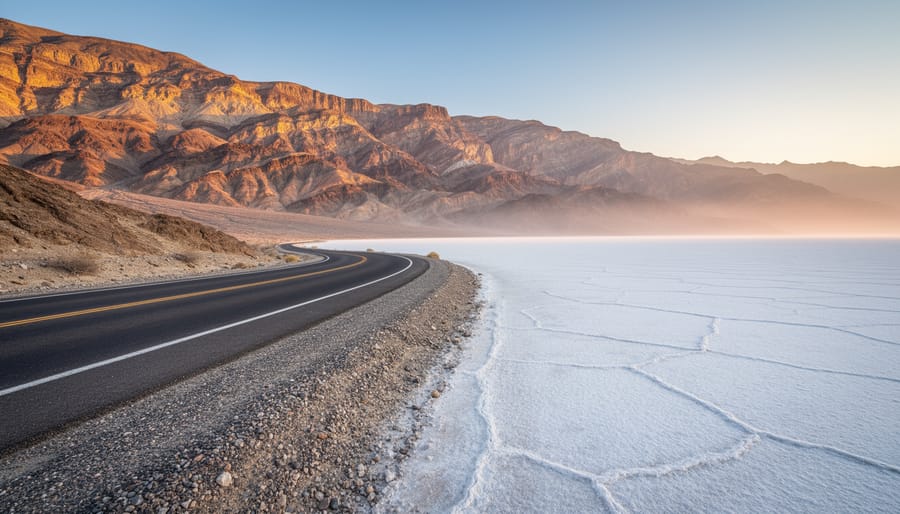
Death Valley National Park sits roughly 500 miles south of Colorado, straddling California and Nevada as the hottest, driest, and lowest national park in the United States. For adventure travelers planning 2026 trips, the park delivers dramatic extremes: salt flats 282 feet below sea level at Badwater Basin, summer ground temperatures that have reached 201°F, and colorful badlands that look otherworldly against a stark desert sky. Despite its ominous name, Death Valley attracts more than a million visitors annually who come for world-class hiking, stargazing under some of the darkest skies in America, and landscapes unlike anything found in the Rockies or familiar Colorado escapes.
The park spans 3.4 million acres, making it the largest national park in the contiguous United States. Entry costs between $15 and $30 per vehicle, and the park no longer accepts cash at any entrance station. You won’t need a timed-entry reservation or advance vehicle permit in 2026, but visitors should know that a major three-year, $69.5 million infrastructure project begins this fall to modernize water and wastewater systems throughout the park, which may affect certain facilities.
What makes Death Valley worth the drive from Colorado is its sheer geological drama. You can stand at the lowest point in North America in the morning and drive to 11,049-foot Telescope Peak trailhead by afternoon. The park’s geography creates temperature inversions, wind-sculpted dunes, volcanic craters, and technicolor canyons that feel impossibly remote yet remain accessible by paved roads.
Why Death Valley Is on Every Adventure Traveler’s Radar Right Now
Death Valley isn’t just having a moment, it’s capturing the imagination of adventure travelers who’ve checked off the usual mountain peaks and alpine lakes. This California desert sits at a crossroads of extremes that you won’t find anywhere in Colorado: the lowest point in North America at Badwater Basin (282 feet below sea level), summer temperatures that routinely shatter records, and a landscape so alien it’s stood in for other planets in dozens of films. For Colorado adventurers used to tackling fourteeners and navigating mountain weather, Death Valley offers something radically different: a chance to test yourself against heat, vastness, and geological forces that shaped a basin between towering mountain ranges.
What draws people now is the accessibility of genuine wilderness adventure without the crowds that plague many national parks. The salt flats stretch white to the horizon. Sand dunes rise golden against volcanic peaks. Artist’s Palette displays rock formations streaked with colors that look painted on. You can stand at Zabriskie Point at sunrise and watch ridgelines ignite in shades Colorado’s granite can’t match. The park’s remoteness, it’s the largest national park in the Lower 48, means you’ll find solitude even at famous viewpoints, and the night skies rival anything you’ve seen at altitude. It’s a place where the landscape itself becomes the challenge, where summer heat pushes biological limits, and where the reward is experiencing an environment few ecosystems on Earth can match.
Essential Planning Information for 2026
Entrance Fees and Payment
Death Valley requires an entrance pass for all visitors, with fees are $15 to $30 depending on which pass you choose. A seven-day private vehicle pass costs $30, while motorcycle entry is $25 and individual entry (by bike or on foot) runs $15. If you’re planning multiple national park visits this year, the $80 America the Beautiful annual pass covers Death Valley and hundreds of other federal sites. One important heads-up for your trip: the park switched to cashless fee collection, so bring your credit or debit card rather than bills. You can pay at entrance stations or self-serve kiosks throughout the park. The pass is valid for a full week from purchase, giving you plenty of time to explore without worrying about re-entry fees.
Access and Reservations
One of the biggest advantages of visiting Death Valley in 2026 is the freedom to arrive whenever you want. Unlike popular parks such as Rocky Mountain or Arches that require advance reservations during peak season, Death Valley operates on a first-come, first-served basis with 2026 no timed entry or vehicle reservation system in place. You can plan a spontaneous desert road trip, adjust your itinerary on the fly, or decide at the last minute to catch sunrise at Zabriskie Point without worrying about securing a slot weeks in advance. Just pay your entrance fee when you arrive and explore at your own pace. This flexibility makes Death Valley particularly appealing for Colorado travelers used to dealing with crowded trailhead parking and permit lotteries back home.
Upcoming Infrastructure Improvements
Death Valley is investing in its future. The National Park Service is launching a $69.5 million project this fall to overhaul critical infrastructure that’s served visitors for decades. Over the next three years, crews will modernize two essential water systems and upgrade the park’s wastewater treatment facilities, unglamorous work that ensures Death Valley can continue welcoming adventurers safely and sustainably.
What does this mean for your trip? The park remains open during construction, and you won’t need special reservations to visit. However, you might encounter temporary detours, noise near work zones, or limited access to specific facilities as crews tackle different phases. The National Park Service will post updates about active construction areas, so check the official website before you head out if you’re visiting during peak work periods.
Think of it as watching a national treasure get the care it deserves. While you’re exploring salt flats and sand dunes, the park is quietly preparing to serve the next generation of desert explorers, including future trips you might take here.
Must-See Landmarks and Experiences
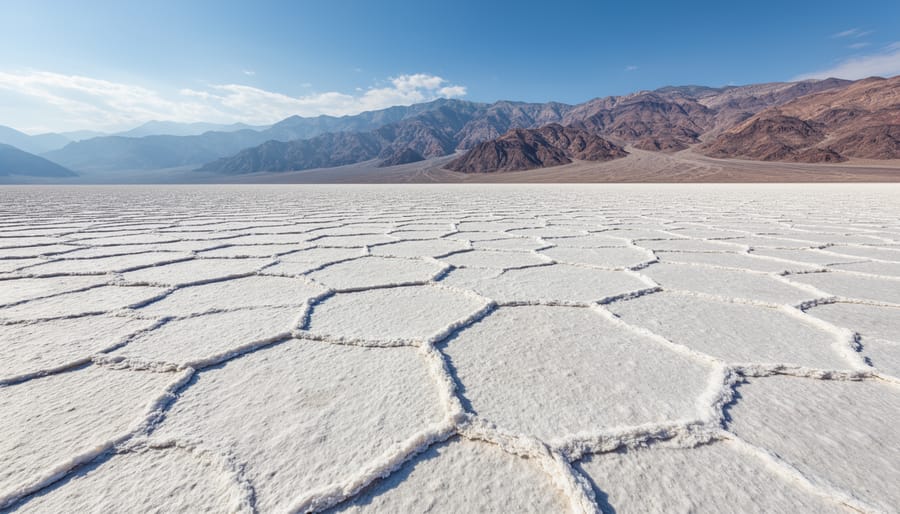
Death Valley’s landscape feels like another planet. If you’re used to Colorado’s alpine meadows and pine forests, prepare yourself for something completely different: vast salt flats that crunch underfoot, sand dunes that sing in the wind, and rock formations painted in colors you didn’t know existed in nature.
Start at Badwater Basin, the lowest point in North America at 282 feet below sea level. The stark white salt flats stretch for miles, creating hexagonal patterns that look almost designed. Walk out onto them and you’ll notice the silence first, then the heat radiating up through your boots, even in winter. The contrast to standing at 14,000 feet on a Colorado peak couldn’t be more extreme, yet the sense of accomplishment feels similar. Look up at the cliff face and you’ll spot a sign marking sea level, a humbling reminder of just how deep into the earth you’ve descended.
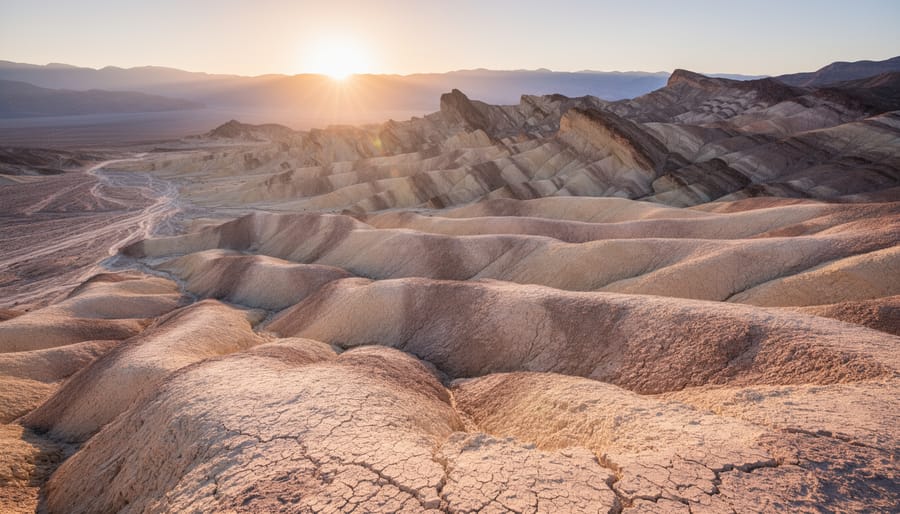
For sunrise or sunset, Zabriskie Point delivers views that belong on canvas. The badlands here glow in layers of gold, pink, and bronze as light plays across the ancient lake-bed sediments. It’s a short walk from the parking area, making it accessible even when temperatures soar, and the panoramic sweep of eroded ridges rewards photographers and casual observers alike.
The twenty-mile Artist’s Drive loop takes you through a palette nature mixed herself. Iron oxides, manganese, and other minerals have stained the hillsides in shades of pink, purple, green, and turquoise. Artist’s Palette is the highlight, where you can pull over and stare at rocks that look spray-painted. Drive this route in late afternoon when the colors intensify under angled sunlight.
| Landmark | What Makes It Special | Best Experience Timing |
|---|---|---|
| Badwater Basin | Lowest point in North America, vast white salt flats | Early morning or late afternoon to avoid peak heat |
| Zabriskie Point | Panoramic badlands views with dramatic erosion patterns | Sunrise or sunset for optimal lighting and colors |
| Artist’s Palette | Hillsides painted in vivid mineral colors | Late afternoon when angled light intensifies hues |
| Mesquite Flat Sand Dunes | Accessible dunes perfect for sunrise photography | Dawn or dusk for dramatic shadows and cooler temps |
| Dark Sky Stargazing | Certified International Dark Sky Park with minimal light pollution | New moon periods for maximum star visibility |
The Mesquite Flat Sand Dunes near Stovepipe Wells offer the most accessible dune experience in the park. No trail exists because the wind erases footprints overnight, so just pick a direction and climb. At dawn, watch shadows stretch across the rippled sand as the dunes light up in warm tones. It’s surprisingly quiet except for the occasional whisper of sand cascading down a slip face.
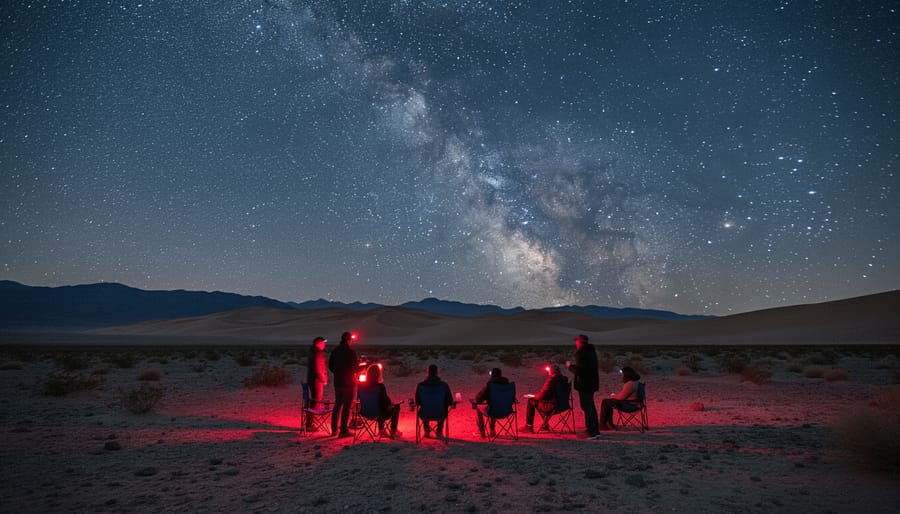
After dark, Death Valley transforms into one of the planet’s premier stargazing destinations. As a certified International Dark Sky Park, it offers visibility that rivals Colorado’s high-altitude observatories but with desert-clear air. The Milky Way appears so dense it casts shadows, and you’ll spot satellites crossing overhead with surprising frequency. Bring a blanket, lie back on the salt flats or dunes, and prepare to lose track of time.
When to Visit and What to Expect
Death Valley earns its reputation honestly. Summer temperatures regularly soar past 120°F, with the park holding the world record for hottest reliably recorded air temperature at 134°F. If you’re used to Colorado’s alpine climate where even July afternoons cool off quickly, the desert’s sustained, inescapable heat will feel like nothing you’ve experienced at elevation.
The sweet spot for visiting runs from late October through April. Winter months bring daytime highs in the 60s and 70s, perfect for hiking and exploring without the constant threat of heat exhaustion. Nights can drop near freezing, especially in higher elevations of the park, so pack layers just like you would for a Colorado shoulder season trip. Spring wildflower blooms, when winter rains cooperate, transform the valley floor between February and April.
November and March offer the best balance: comfortable temperatures, fewer crowds than peak winter holidays, and long enough days to cover serious ground. You can hike Badwater Basin, scramble through Golden Canyon, and catch sunset at Zabriskie Point without racing the clock or rationing water like your life depends on it.
Summer visits from May through September require different thinking entirely. If you must go during these months, limit outdoor activities to early morning before 10 AM. The afternoon heat isn’t just uncomfortable, it’s dangerous. Your car’s air conditioning will struggle, pavement can exceed 200°F, and even short hikes become risky without meticulous hydration planning.
Colorado altitude prepares you for some challenges but not others. You’re likely comfortable with intense sun and temperature swings, but desert heat is relentless and dry in ways mountain heat isn’t. Carry twice the water you think you need. Your usual hydration habits at 10,000 feet won’t cut it at 282 feet below sea level when it’s 115°F. Plan your visit between fall and spring, and you’ll experience Death Valley at its most approachable and rewarding.
Getting There from Colorado
Getting to Death Valley from Colorado is easier than you might think, the park sits about 750 miles southwest of Denver, making it a solid weekend getaway or the anchor stop on a multi-park national parks road trip through the desert Southwest.
The most popular route is flying into Las Vegas (about a two-hour flight from Denver), then driving roughly 120 miles west to the park’s main Furnace Creek area. You can rent a car at McCarran and be standing at Badwater Basin the same afternoon. This fly-and-drive option gives you quick access without the marathon drive, and Vegas rental rates are usually competitive.
If you prefer a full road trip, the drive from Denver takes around 12-14 hours depending on your route. The most direct path runs through I-70 west to I-15 south, cutting through Utah before dropping into Nevada. You’ll pass through some spectacular desert country, and it’s worth building in stops at places like Zion or Capitol Reef if you’ve got the time.
A few practical notes for Colorado drivers: Death Valley roads are generally well-maintained paved highways, though backcountry routes require high clearance. If you’re used to mountain driving and following road safety practices on Colorado passes, you’ll handle the main park roads just fine. Summer heat is the bigger concern, carry extra water, check your coolant, and avoid driving the hottest hours if you’re visiting between May and September.
Alternative airports include Reno (about 300 miles north) or smaller regional options in Bishop or Lone Pine, California, though Vegas typically offers the best combination of flight availability and proximity.
Frequently Asked Questions
Visiting Death Valley from Colorado means swapping elevation for extreme heat and trading alpine gear for desert essentials. Here are the questions Colorado adventurers ask most often when planning their first trip to this iconic desert landscape.
Is it safe to visit Death Valley in summer?
Summer visits are possible but risky due to extreme heat that regularly exceeds 120°F. If you’re accustomed to Colorado’s cooler mountain temperatures, the desert heat will feel overwhelming and potentially dangerous. Most experienced visitors recommend planning trips between November and April when temperatures are far more manageable.
Do I need a 4WD vehicle to explore the park?
Most of Death Valley’s main attractions are accessible by regular passenger vehicles on paved roads. However, if you want to explore backcountry roads or remote areas similar to how you might tackle Colorado’s high-clearance forest roads, a 4WD vehicle with high clearance becomes essential.
How many days should I plan for a Death Valley trip?
Two to three full days gives you enough time to hit the major landmarks like Badwater Basin, Zabriskie Point, and the sand dunes without rushing. If you’re driving from Colorado, factor in at least two travel days each direction.
What should I pack differently than for Colorado hikes?
Bring significantly more water than you’d carry in Colorado, at least one gallon per person per day, even for short walks. Sun protection becomes critical: wide-brimmed hats, high-SPF sunscreen, and lightweight long sleeves work better than the layering system you’d use in the Rockies. Skip the fleece and down jackets unless you’re visiting in winter.
Lodging options range from the historic Furnace Creek Resort within the park to more affordable hotels in nearby gateway towns like Beatty, Nevada, or Pahrump. Many Colorado visitors accustomed to dispersed camping in national forests find Death Valley’s designated campgrounds a different experience, with fewer trees for shade and the need to arrive early during peak season to secure a spot.
The park remains open year-round with no timed-entry requirements for 2026, making spontaneous visits possible. That said, the infrastructure project beginning this fall may affect certain facilities over the next three years, though the main roads and viewpoints will stay accessible. Check current conditions before you leave, especially if you’re visiting during the transitional seasons of late spring or early fall when temperatures can still climb unexpectedly.
One question Colorado hikers ask frequently: can I tackle long trails like I would at home? The answer is no, not with the same approach. Desert hiking requires starting before dawn, carrying double the water, and knowing when to turn back. What feels like a moderate six-mile loop in Rocky Mountain National Park becomes genuinely dangerous in 100-degree heat without shade. Adjust your expectations and respect the environment.
Death Valley offers Colorado adventurers something we rarely encounter in our high-altitude home: a landscape so extreme it feels otherworldly. After years navigating mountain passes and alpine trails, experiencing North America’s lowest, hottest, and driest landscape provides a powerful counterpoint to everything we know. The vast salt flats, technicolor badlands, and star-saturated skies remind us that our planet holds infinite variety beyond our familiar peaks.
Planning smart makes all the difference. Visit between October and April when temperatures won’t punish you. Apply the same careful preparation you’d bring to Colorado’s backcountry, just swap altitude concerns for heat management. Your experience navigating our state’s dangerous roads tips translates well to Death Valley’s remote routes, where self-sufficiency matters just as much.
The park’s cashless entrance system and lack of reservation requirements make spontaneous trips easier than ever in 2026. Whether you’re craving a winter escape or a spring road trip that trades snow for sand dunes, Death Valley delivers an adventure distinctly different from home.
Have you explored this desert icon? Share your Death Valley stories, favorite viewpoints, or trip advice with our community, your insights help fellow Colorado travelers plan their own extreme landscape adventures.